How to get around Beijing by taxi and Didi ride-hailing — fares, payment, the language barrier and tips for airport and station runs.
Getting from A to B in Beijing is cheap and efficient — once you know the local rules. Taxis and ride-hailing both work; the trick is paying and explaining where you're going.
Metered, with a starting fare that rises with distance and time. Insist on the meter and ask for a receipt (发票, fapiao) at the end — it carries the car's number if you leave something behind. Use official taxi stands at stations and malls; avoid unmarked black cabs that quote inflated prices.
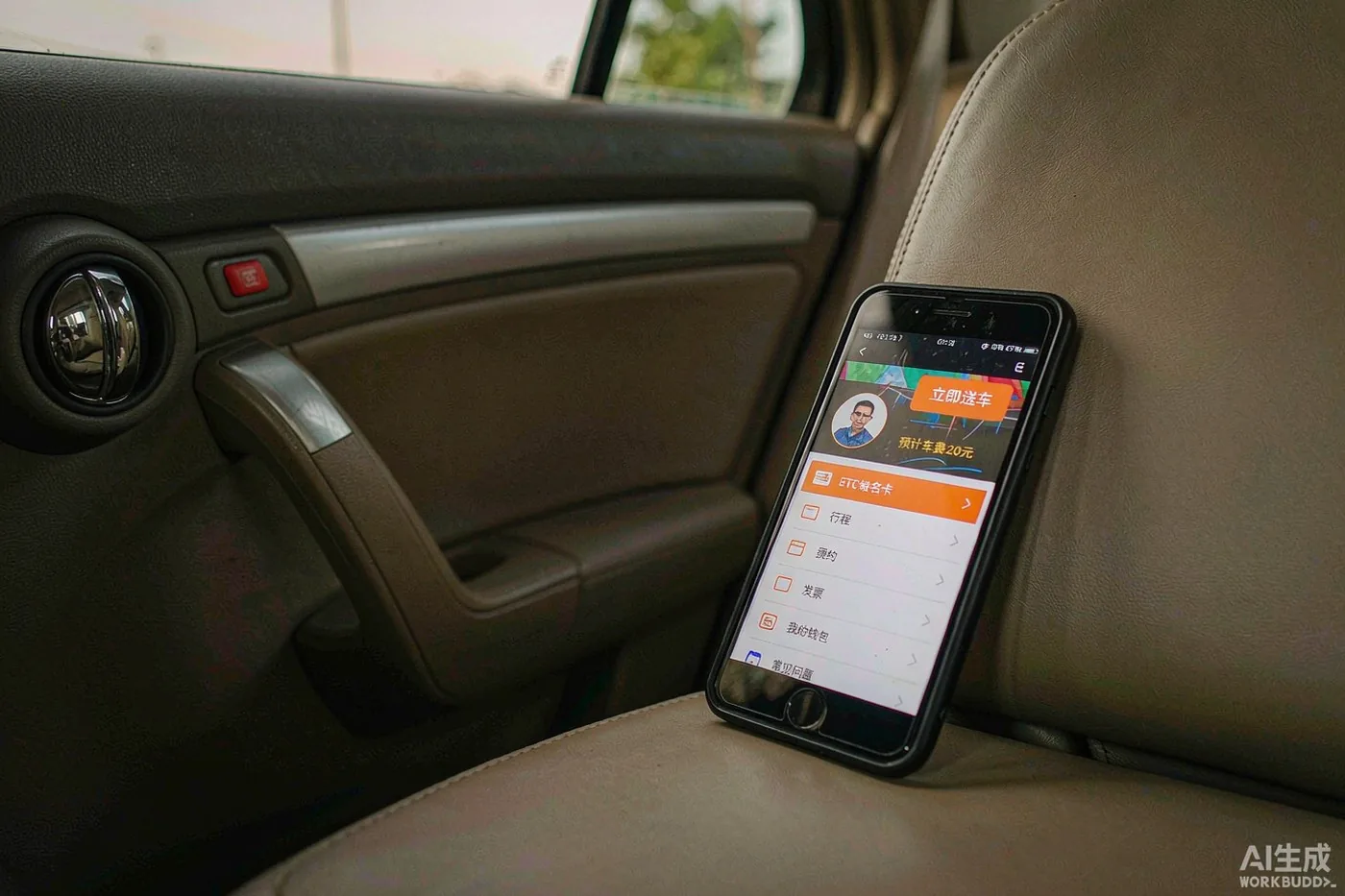
Didi is China's Uber. Its app has an English interface in many cities; you pin your destination on the map and pay through Alipay or WeChat. Note: registering sometimes needs a Chinese phone number, so if the app won't verify, fall back to street taxis or ask your hotel to book one.
Taxis may take cash or scan a Chinese payment app; ride-hailing is paid in-app via Alipay or WeChat, including with an international card linked to them. There is no tipping — the fare on the meter or app is the fare.
Few drivers speak English. Always show the destination in Chinese characters — your hotel card, a pinned map, or a translation app. Saying the nearest metro station name often works better than the street address.
To PEK or PKX, Didi and taxis are metered; the Airport Express train is cheaper if you travel light. Build in extra time during rush hour, roughly 07:00 to 09:00 and 17:00 to 19:00.
The most frequent error Western visitors make is getting into an unlicensed car at the airport or Beijing West station touts who quote a flat fare of 200-300 RMB for trips that would cost 100-120 RMB on the meter. Decline politely and walk to the official taxi rank. Another common mistake: pinning your hotel by its English name in Didi, which often maps to the wrong branch of a chain — Kooulng, for example, has several locations. Save the hotel's Chinese name and address in your notes app and paste it into Didi as a text destination, or navigate the driver to the pinned map location and confirm the hotel sign before you pay. Finally, drivers sometimes call the number in your Didi order on arrival; if your phone cannot receive Chinese calls (no local SIM), enable in-app text messaging so the driver can reach you that way.
Didi applies surge pricing during peak demand: weekday morning (7:00-9:00) and evening (17:30-19:30) rush hours, rainy days, and after major events or subway closures. A 40 RMB ride can double, so budget accordingly or wait 15-20 minutes for the multiplier to drop. Late at night matters more: the last trains on most lines leave central stations around 23:00, and between roughly 23:00 and 5:00 Didi adds a night surcharge while street-hailed taxis are scarce. If you are leaving a late concert or a Sanlitun bar night, expect a wait and consider pre-ordering a ride in the app for a fixed pickup time — the fee is small compared with the certainty. Winter adds another wrinkle: standing outside hailing a cab at -10°C in January is miserable, so most locals and residents default to Didi from December through February. Check the app's fare estimate before committing, not after.
If you found this useful, these cover the next question most visitors ask: