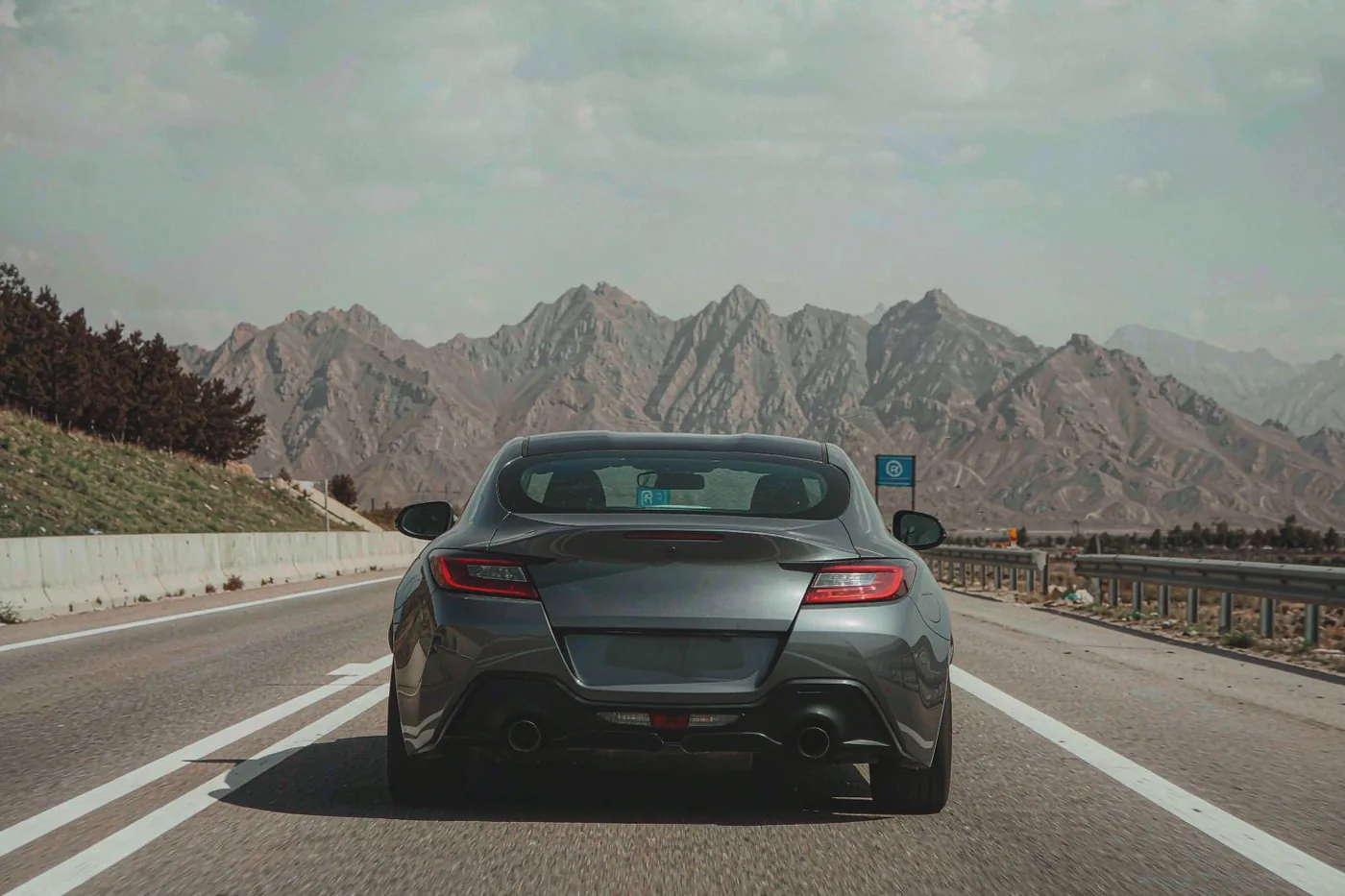
Renting a car in China is possible but rarely the best choice for first-time visitors. Here's where a car genuinely helps — and where the metro, high-speed rail, or a driver will beat you every time.
China's expressway network is now the largest in the world, and driving here can be genuinely rewarding — long, empty scenic roads, easy access to national parks, and the freedom to stop wherever you like. But for a first-time visitor, the practical hurdles are real: you need a temporary Chinese driving permit [verify before travel], navigation apps are in Chinese, payment is cashless at most tolls and parking lots, and in big cities a car is usually slower than the metro. This guide tells you honestly where a rental car is worth it and where you should leave it at the counter.
Your home license alone is not valid in mainland China, and China does not recognize International Driving Permits. Most visitors qualify for a temporary driving permit, which historically required a short theory test or an in-person application at a local vehicle administration office; rules and ease of processing vary by city and have changed several times [verify before travel]. Some international rental platforms and car services now help arrange the permit with your booking [verify before travel]. Without it, your realistic option is hiring a car with a driver, which is common, affordable by Western standards (often roughly CNY 600–1,200, or USD 85–170, per day including fuel and tolls for a standard sedan — confirm current rates), and removes every headache listed below.
In major cities, driving works against you. Beijing, Shanghai, and similar megacities impose license-plate restrictions and, in Beijing, weekly permit rules even for local cars; foreign-plated or unfamiliar rental arrangements face extra hurdles [verify before travel]. Parking is scarce and expensive in central districts, traffic is relentless, and the metro is fast, cheap (typically CNY 3–9, or under USD 1.50, per ride in most cities), and signposted in English. Add app-based navigation in Chinese, aggressive local driving styles, and cashless tolls, and city driving becomes all cost, no benefit. Dense tourist corridors with excellent rail — Beijing to the Great Wall areas, Shanghai to Hangzhou or Suzhou — are also better by train or organized tour.
Rent a car when you're heading somewhere rural, remote, or spread out — places where trains are infrequent and attractions are far apart. Western and southwestern China offer some of the world's best road trips, with fuel, charging, and lodging available along main routes. Expect tolls of roughly CNY 0.4–0.6 (USD 0.06–0.09) per kilometer on expressways [verify before travel], plentiful service areas, and speed cameras everywhere — fines follow the car, and the rental company will bill you. In these regions a car isn't a luxury; it's often the only practical way to see the sights at your own pace.
Traffic drives on the right, seatbelts are mandatory, and the legal blood-alcohol limit is effectively zero — even one drink can put you over [verify before travel]. Expressway signs use pictograms plus Chinese, with English on many national routes but not all. Set up offline or China-friendly maps before you go: Western Google Maps navigation is unreliable in China, so use a local app such as Amap (Gaode) or Baidu Maps, and have your hotel write destinations in Chinese. Toll booths and most parking lots are cashless — a Chinese payment app linked to a foreign card is effectively essential [verify before travel].
Beijing is where most first-timers land, and it's the clearest case for not renting: an excellent, cheap metro, heavy plate restrictions, and gridlocked ring roads. Use the city as your rail hub instead — high-speed trains radiate to Tianjin, Zhangjiakou, and beyond, and tours or hired cars with drivers handle the Great Wall far more smoothly than a self-drive rental.
A rare case where renting (or hiring a driver for) a small car or e-car genuinely pays off. The limestone karst scenery is scattered across villages and viewpoints that buses reach infrequently, roads are low-speed and scenic, and distances are short. Guilin is the rail and airport hub about 1.5 hours away by road [verify before travel].
The archetype of a destination built for drivers: the lake's shoreline alone runs for well over 300 km (about 190 miles), public transport is thin, and the high-altitude grassland scenery changes constantly. Xining is the rail gateway; rental cars and driver services are available there. Plan fuel stops, carry warm layers even in summer (the lake sits around 3,200 m / 10,500 ft elevation), and check seasonal road conditions [verify before travel].
If you found this useful, these cover the next question most visitors ask: