Simple Chinese etiquette for visitors — chopstick rules, tipping, temples, greetings, gift-giving and photography, so you travel respectful and relaxed.
Chinese social rules are mostly about warmth and respect, not strict formality. A few habits will help you avoid accidental offence and earn smiles. Nobody expects perfection — effort counts.
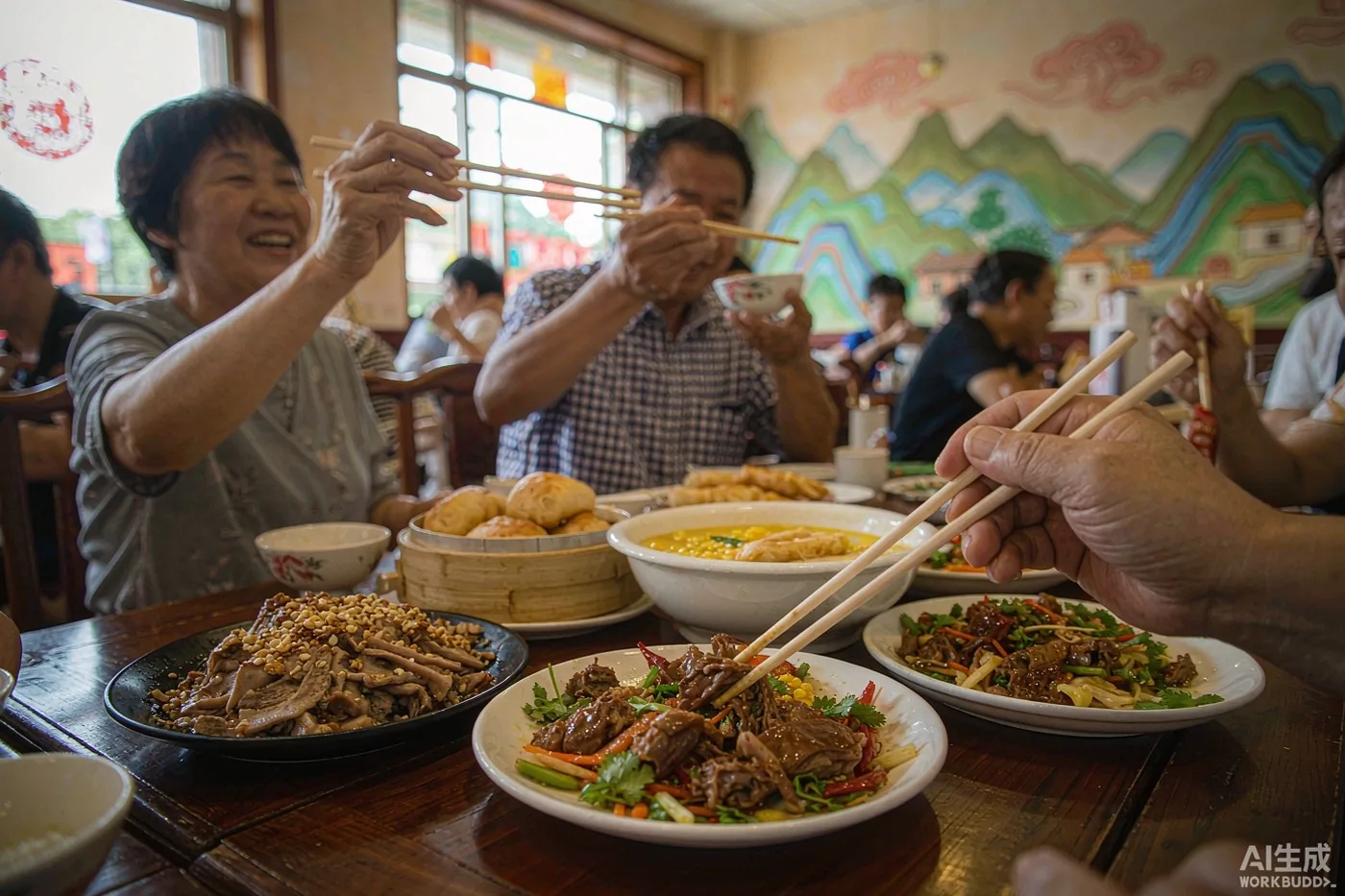
Never stand chopsticks upright in a bowl of rice (it resembles incense burned for the dead). Don't point with chopsticks or tap your bowl with them. Slurping noodles is fine and even complimentary. Dishes are shared from the centre; use the serving spoon, not your own chopsticks, to take from communal plates.
There is no tipping in China — not in restaurants, taxis or hotels. Adding a tip can confuse rather than please. Service staff are paid wages; a simple 谢谢 (thank you) is the right acknowledgement.
Dress modestly, keep your voice down, and follow the flow of worshippers. Don't step over offerings or photograph where signs forbid it. At active temples a small donation is welcome but never required.
A nod or handshake works; a slight bow is a respectful touch. Chinese communication can be indirect to save face — criticism is softened, and a direct no is rare. Don't take gentle hesitation as refusal; ask once more politely.
If you bring a gift, offer and receive it with both hands. Good choices: fruit, tea, a small souvenir. Avoid clocks (送钟 sounds like 送终, attending a funeral), sharp objects like knives, and white or black wrapping, which read as mourning colours.
Always ask before photographing people, especially in villages, temples or markets. Some museums and performances ban photography entirely — look for the 禁止拍照 sign. A smile and a gesture go further than pointing a lens.
Foreign visitors are often surprised that personal space works differently in Beijing. In queues at metro gates or bakery counters, people may stand close behind you or edge forward — this is not rudeness, just density. Formed queues are the norm at subway platforms (stand behind the yellow line, let passengers off first) and at temple ticket windows, but at busy food stalls the crowd simply clusters. On the metro, offer your seat to elderly passengers, pregnant women and children; seats near the doors are priority seating, marked in yellow. Keep phone calls short and quiet on public transport, and note that eating is discouraged on the subway. Spitting in public, once common, is now frowned upon. If someone bumps into you, a quick「duìbuqǐ」(sorry) or a nod settles the matter — nobody expects a conversation.
If a Chinese friend or business contact invites you to a banquet, the meal follows a rhythm worth knowing. The host usually orders for the whole table and takes the seat facing the door; guests of honour sit to their right and left. Toasting starts early — the host will propose a group toast (gānbēi, 「dry the cup」) soon after the first dishes arrive. You are never obliged to drain your glass; sip, or even raise your glass with tea, and say「suíyì」(drink as you please) — most hosts accept this graciously from foreigners. Toast individuals by clinking your glass slightly lower than theirs, a small sign of respect. If you invite someone out instead, be aware the person who invites normally pays; splitting the bill, natural back home, can feel awkward. Expect lively, overlapping conversation and service staff who will not interrupt it to bring the bill unasked.
If you are invited to a Beijing family's home, a small gift is expected — fruit, pastries from a local chain like Daoxiangcun, or tea all work; avoid clocks (a funeral connotation) and, for older hosts, anything in sets of four. Remove your shoes at the door if the hosts do, or if you see slippers laid out. The guest of honour is seated facing the door; wait to be shown your place. Expect your plate or glass to be refilled repeatedly — refusing too firmly can seem cold, so accept at least a little of everything. Compliment the food specifically and more than once; hosts genuinely want to hear it. Do not start eating until the host does. Leaving promptly after the meal is fine, but many hosts will walk you to the lift or even the street corner — let them, and thank them again on WeChat the next day.
If you found this useful, these cover the next question most visitors ask: