Explore Beijing / Shopping in Beijing: Markets, Bargaining & What to Buy
Shopping in Beijing: Markets, Bargaining & What to Buy
Silk Market, Pearl Market and Panjiayuan — how to bargain, what's worth buying, and how the tax refund works.
5 min read · KOULING's Beijing Travel Guide
Beijing is a shopper's city, but the experience is nothing like a Western mall. Prices are negotiable, 'brand' goods are usually copies, and the best finds take a little haggling. Here is how to enjoy it without overpaying or getting fooled.
The three markets worth your time
Three markets cover most visitor shopping, and each has its own speciality.
Silk Market (Xiushui 秀水街) — Clothes, bags, shoes and custom tailoring. Great for silk and knock-off fashion — bargain hard.
Pearl Market (Hongqiao 红桥) — Pearls, jade, watches, electronics and small gifts. The pearl floors are the real draw.
Panjiayuan (潘家园) — Weekend flea market for antiques, curios, art, jade and calligraphy — more browsing, less hard-sell.
How to bargain
Bargaining is expected and part of the fun. The opening price is often three to five times the real one.
Start at a third — Offer roughly a third of the first price and meet in the middle; walk away if it won't move.
Pay with your phone — Alipay / WeChat keep a record; be wary of a private QR you don't recognise.
Shop around — There are always several stalls selling the same thing — use that as leverage.
What's actually worth buying
Some items are genuinely good value and make great gifts.
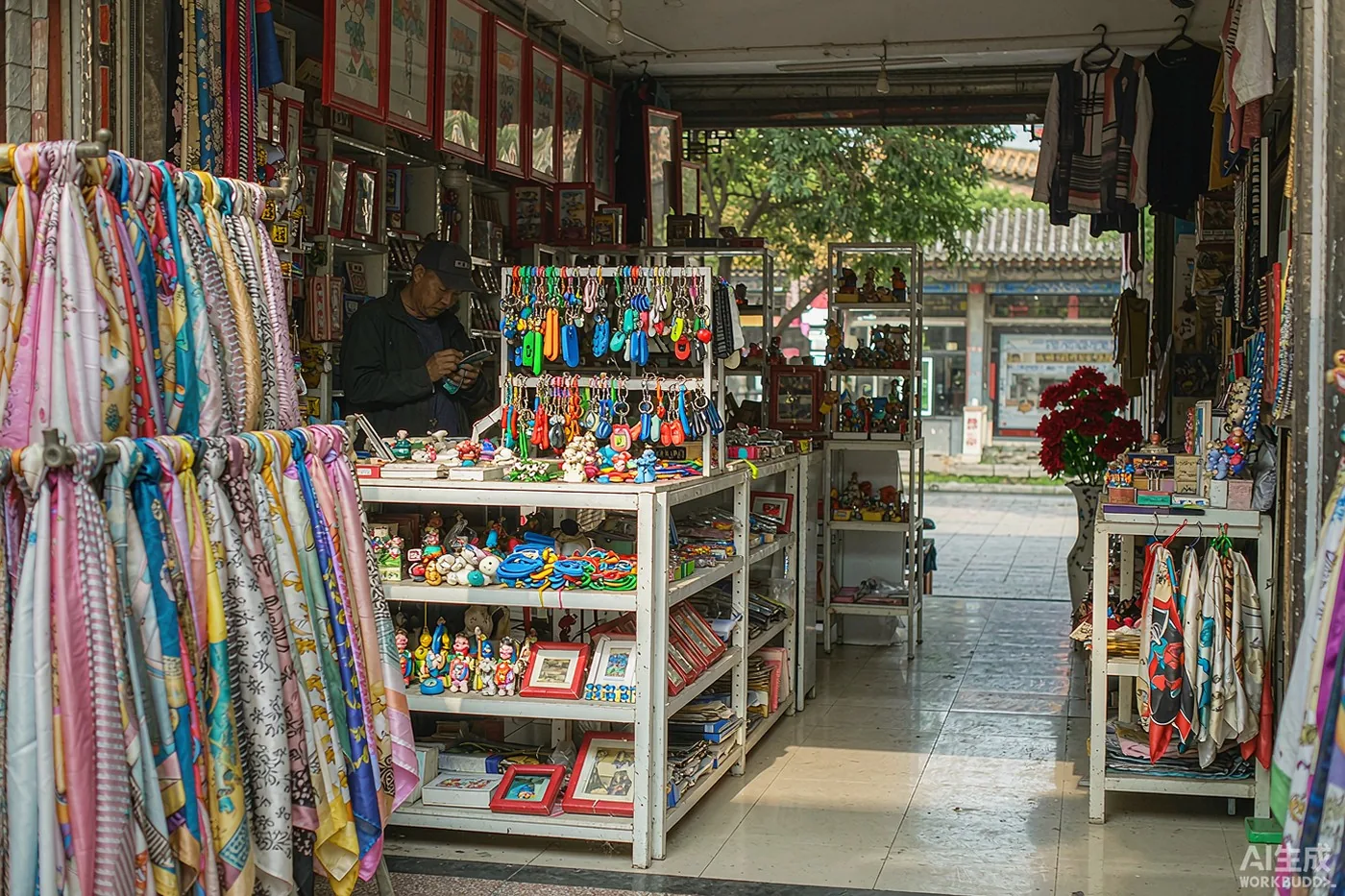
Silk & scarves — Real silk from reputable stalls is a classic Beijing buy.
Freshwater pearls — Hongqiao is one of the world's biggest pearl markets — learn the lustre test first.
Tea, calligraphy & snacks — Loose tea, brush art and local snacks travel well and please back home.
Spotting fakes
If the price is too good for a luxury label, it is a copy. For genuine branded goods, buy at official stores or large malls (SKP, China World). See our scams guide for the full rundown.
Assume 'designer' = replica — Designer bags and watches at the markets are copies, not seconds.
Keep the receipt — A shop receipt helps with tax refund and any dispute.
Buy electronics with care — At Hongqiao, compare with official channels before committing.
Tax refund for foreigners
Foreign visitors can claim a VAT refund on eligible shopping. Look for the 'Tax Free' sticker, show your passport at the store, and keep the refund form to process at the airport. Full details are in our tax-refund guide.
Minimum spend applies — There is a per-store same-day minimum; ask the shop before paying.
Passport at checkout — Refund eligibility is checked against your passport at the time of purchase.
Refund at departure — Process the refund form at the airport before you leave China.
Related Beijing guides
If you found this useful, these cover the next question most visitors ask:
Timing changes these markets more than anything else. Panjiayuan is best on weekends before 9 am, when the full flea market is open and dealers are fresh; weekday mornings only the indoor building trades seriously, and many outdoor stalls pack up by early afternoon. The Silk Market and Pearl Market are quietest on weekday mornings right after the 10 am opening — by 2 pm tour groups make the aisles hard to walk. Avoid Chinese public holidays, especially the first week of October, when prices harden and crowds peak. For combinations, Panjiayuan sits a short walk from Line 10's Panjiayuan station and pairs well with an afternoon at the Temple of Heaven, one metro stop away. The Pearl Market is steps from Tiantan Dongmen, so you can do the temple in the morning and shop before lunch. The Silk Market, on Line 1, combines easily with a walk along Yong'anli or a CBD coffee stop.
Common mistakes first-time shoppers make
Showing too much enthusiasm — If you gasp over an item, the seller knows you are hooked and the price stops moving. Keep it neutral, even if you love it.
Bargaining without intending to buy — Once you name a price and it is accepted, the deal is considered done. Never open negotiations on something you will walk away from — it wastes everyone's time and can cause genuine anger.
Paying the first counter-offer — Even after haggling, a quick acceptance usually means you overpaid. A counter-offer that is instantly accepted is a signal to try again, or walk out and see if the price follows you.
Forgetting cash and small notes — Alipay and WeChat Pay now work with most foreign cards, but small stalls prefer them or cash in small denominations. Having a pocket of 10 and 20 yuan notes keeps negotiation simple.
Shipping promises taken at face value — For jade, pearls or antiques, on-the-spot certificates and 'free shipping' guarantees are sales tactics. If you cannot verify authenticity yourself, treat it as decorative, not as an investment.
Skipping the receipt — No receipt means no tax refund and no recourse. Ask for the official fapiao before paying, especially for anything above a few hundred yuan.
Practical shopping tips
Carry your passport — Needed for tax refund and sometimes store credit checks.
Use phone payment — Faster and safer than cash; keep a small amount of cash for tiny stalls.
Ship home if needed — Ask about postal services for bulky or heavy purchases.