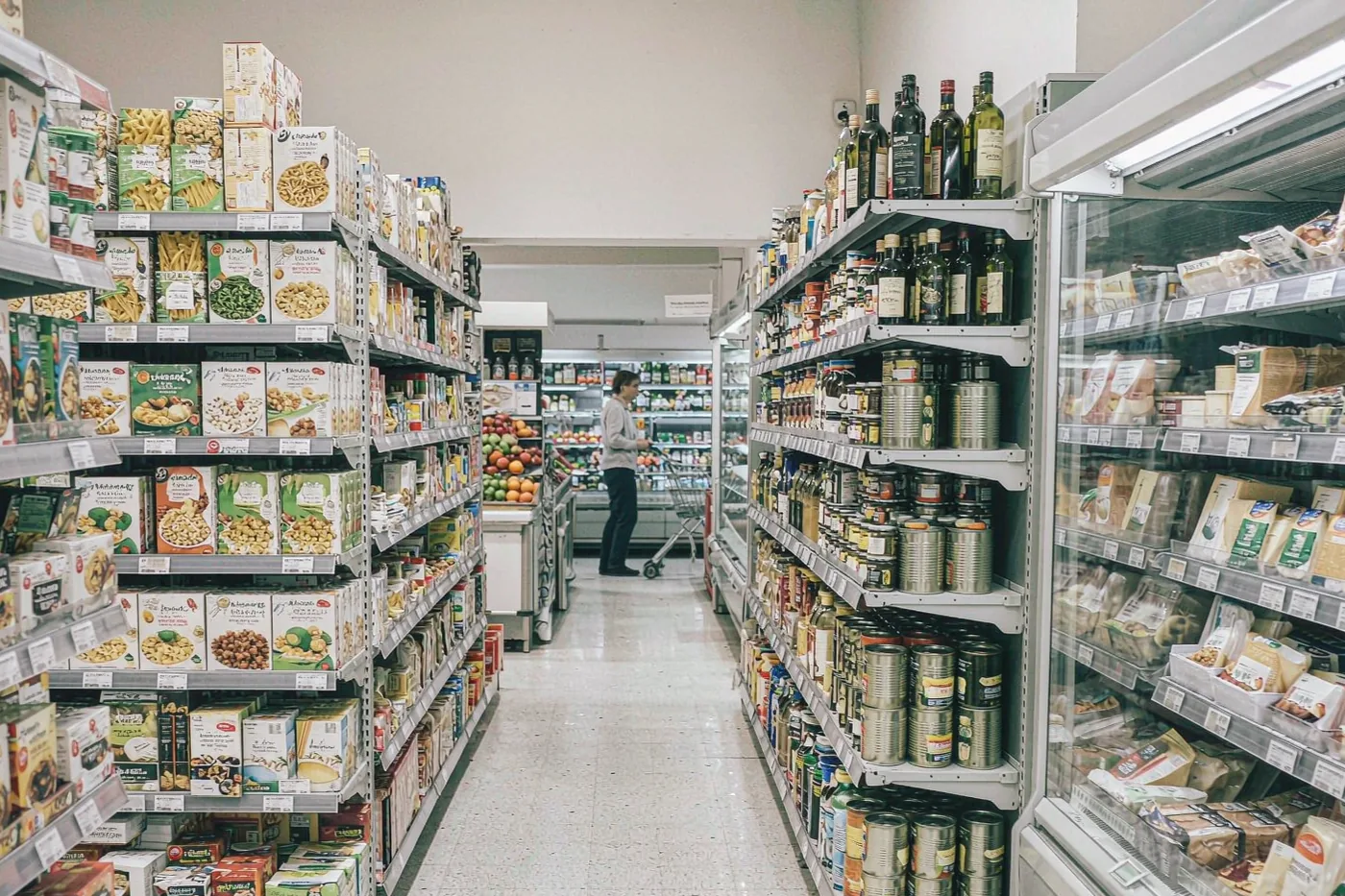
A practical guide to Beijing's best supermarkets for Western groceries — from expat favorites like Jenny Lou's to budget local chains — plus payment tips and what to expect on the shelves.
If you're staying in Beijing for more than a few days, you'll quickly tire of restaurants and start craving a familiar breakfast or a snack from home. The good news: Beijing's supermarket scene is excellent. You can find French cheese, German sausages, Italian pasta, peanut butter, breakfast cereal and decent imported wine without much effort — you just need to know which stores to visit and how to pay there.
Most supermarkets in Beijing are geared toward mobile payment. Locals scan QR codes with WeChat Pay or Alipay, and you can do the same: both apps now let foreigners link international Visa, Mastercard or Amex cards [verify before travel]. Self-checkout kiosks are common in larger stores but usually have Chinese-only interfaces, so a staffed lane may be easier on your first visit. Many expat-oriented shops like Jenny Lou's accept cash and international cards, but local chains like Hualian or Wumart may struggle with foreign cards or even cash at some counters — keep Alipay or WeChat Pay set up before you shop. Bring a reusable bag or buy one at checkout (typically CNY 0.5–2, about USD 0.10–0.30); free plastic bags have been phased out in most stores [verify before travel].
Beijing supermarkets fall into three rough tiers. High-end import-focused stores (Jenny Lou's, BHG Market Place, Olé) carry extensive Western, Japanese and Korean products at prices you'd expect in the West or above — a box of cereal can run CNY 50–90 (USD 7–13). Mid-range hypermarkets (Carrefour, Walmart, Sam's Club) mix local and imported goods at better value, and Sam's Club in particular is popular with expat families buying in bulk. Local chains (Hualian, Wumart, Yonghui) are the cheapest for fresh produce, eggs, milk, noodles and snacks, and their house brands are genuinely good — but expect few English labels and a mainly Chinese product range.
The classic expat supermarket chain, with several branches in Chaoyang District near embassy areas and Sanlitun. Imported cheese, deli meats, baked goods, wine, cleaning products and hard-to-find Western brands fill the shelves. Prices run high, but staff are used to foreigners and it's the most convenient single stop for a full Western basket.
Both are premium supermarket brands found inside major shopping malls across the city. Expect a strong imported section (dairy, chocolate, pasta, sauces, craft beer), a good bakery, fresh sushi counters and wide aisles. They're smaller than hypermarkets but ideal for a weekly top-up if you live near a mall.
For serious stocking-up, these hypermarkets offer the best value. You'll find local fresh produce, household supplies, and a decent imported aisle. Sam's Club (Walmart's membership warehouse format) is worth the annual fee for families buying in bulk — think large packs of imported milk, cheese and meat at per-unit prices far below city-center import shops.
Honestly, many long-stay foreigners in Beijing shop more on their phones than in stores. Meituan (美团) and JD.com (京东) deliver groceries within hours, including from Jenny Lou's and import stores; Freshippo (盒马, Alibaba's supermarket chain) is strong on fresh seafood and ready meals. Pinduoduo's grocery arm and Taobao are great for bulk staples at low prices. The catch: most apps are Chinese-only. Set your phone's translation or screen-translation feature up before you start, and add your delivery address in Chinese (ask your hotel front desk to write it for you). Delivery fees are usually CNY 3–10 (USD 0.50–1.50) with free delivery over a modest minimum spend [verify before travel].