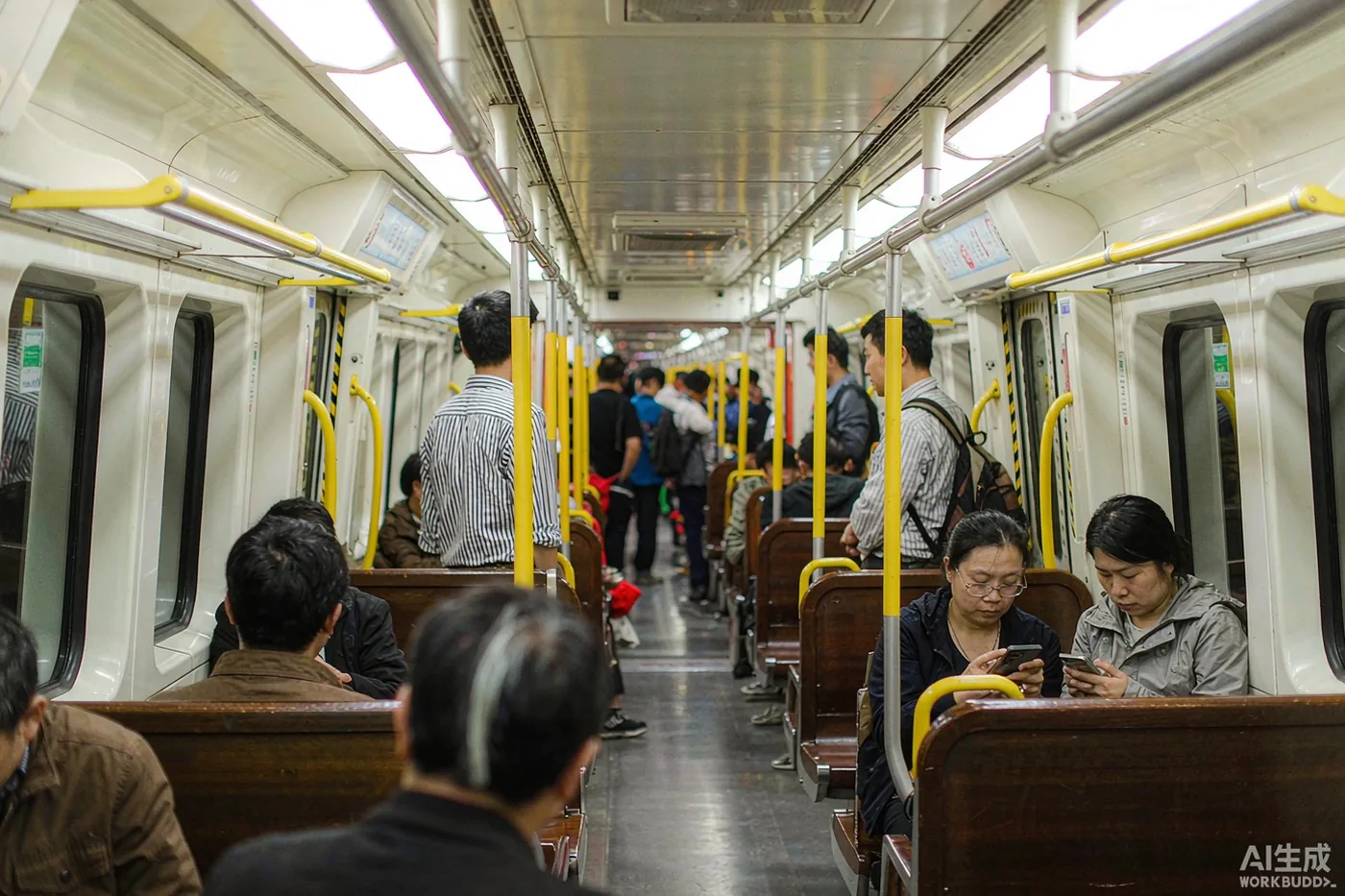
How the Beijing metro works: fares, hours, buying tickets, reading the network and which lines reach the main sights.
The Beijing subway is one of the largest in the world and, for visitors, one of the easiest to use: every station and train has English signage, announcements are bilingual, and fares are cheap. This page covers what you actually need on day one.
Fares are distance-based, starting at CNY 3 for short trips and rarely exceeding CNY 7 within the city. You can pay with a transport card, buy single-journey tokens at machines, or use QR codes through Alipay / WeChat Pay / the official app.
Since 2025 you can tap a foreign Visa or Mastercard straight at the gate reader (Tap-to-Go) — no card to buy, no app, no Chinese phone number. If you prefer an app, open Alipay and use its transit mini-program to generate a QR ride code; WeChat Pay has one too. Single-journey paper tickets remain available at every station as a backup.
Most lines run around 05:00 to 23:00, with trains every 2–5 minutes at peak. Airport Express and a few lines run later. Check the last train time for your specific station — they vary by up to 30 minutes.
You do not need to learn 20+ lines. These cover almost everything:
Beijing's subway crowding is not uniform across the day — it tracks office hours. The worst windows are roughly 07:30–09:00 and 17:30–19:30 on weekdays, especially on Lines 1, 5, 6, 10 and the Changping Line, where you may wait for two or three trains before the doors let anyone in. Tourist corridors behave differently: Line 4 toward Beigongmen and Yuanmingyuan, and Line 8 toward the Olympic park and Nanluoguxiang, stay busy all day but peak mid-morning and mid-afternoon with tour groups. If your schedule is flexible, ride between 10:00 and 16:00 or after 20:00, when you will almost always get a seat. Weekends are calmer at rush hour but busier around the big sights themselves — the trains to the Great Wall interchange points fill up before 09:00 on Saturdays. The metro app shows live congestion per station, which is worth a glance before you set out.
A subway ticket covers only the metro network. Transfers to buses cost extra (also around CNY 2–10 depending on distance), and the Airport Express is priced separately, so do not assume one fare carries you from downtown to Daxing or the Capital Airport. Children under 1.3 metres ride free with an adult. The most common visitor mistakes at the gates: entering with luggage wider than the gap between gate flaps — use the wide, staffed 'accessible' gate on the left of most stations instead — and tapping a contactless card too slowly, which cancels the read; a firm tap on the reader, not a wave, works best. Also remember you must tap out, not just in: if you tap in but exit without a valid tap-out (for example on Tap-to-Go), the system may charge you a maximum fare or flag the account, and fixing it means queuing at a staff window with your passport.