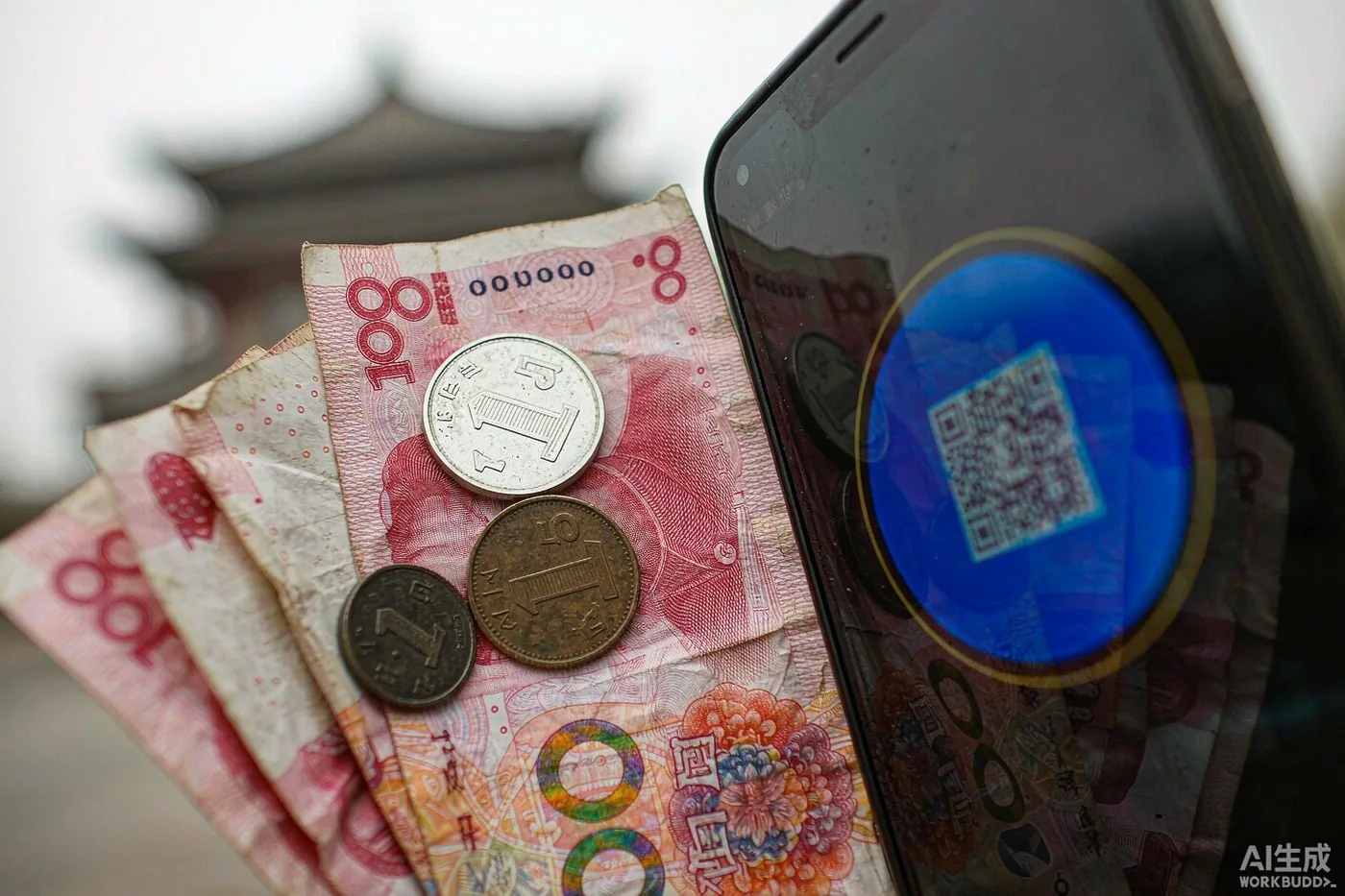
How money works for visitors — ATMs that take foreign cards, currency exchange, card acceptance, and why you still want some cash.
China is one of the most cash-light societies on earth — most people pay with their phone. But as a visitor, cash and cards still play a role in places scanners do not reach. Here is how to keep money flowing without stress.
Small street vendors, some taxis, temple donation boxes, rural stops and the occasional market stall may only take cash or a Chinese payment app. Keep a few hundred RMB in small notes for these moments. There is no tipping culture in China, so you do not need to budget for tips.
You can withdraw RMB from ATMs using a Visa, Mastercard or JCB card. Big banks — Bank of China, ICBC, China Construction Bank — at airport terminals and large branches are the most likely to accept foreign cards; smaller standalone machines often do not. Expect a fee from both the Chinese bank and your home bank, and a per-day withdrawal limit set by your bank. Tell your home bank you are travelling, or the card may be blocked.
Exchange cash at a bank (with your passport) or an authorised counter at the airport. Rates at airports are convenient but slightly worse than in the city. Avoid exchanging with strangers or unlicensed desks. Keep the exchange receipt if you might change RMB back on departure.
UnionPay is universal and accepted almost everywhere. Visa and Mastercard work at major hotels, large malls, international restaurants and tourist sites, but not at small vendors — which is exactly why Alipay and WeChat, linked to an international card, become your daily driver. Carrying one physical card is still useful as a backup.
Tipping is not expected anywhere in China — not in restaurants, taxis or hotels. In markets and with street vendors, gentle bargaining is normal and good-natured; in malls and supermarkets prices are fixed. Knowing this saves awkward moments.
This is the single most useful thing you can do before or on arrival. Both Alipay and WeChat Pay now accept foreign Visa, Mastercard and some other cards: download the app, register with your passport, and add your card in the wallet or payment settings. Alipay's international version supports linking a card within a few minutes; WeChat Pay's flow is similar but can require a short identity-verification wait. Expect a small fee on transactions above roughly RMB 200 (around 3%), and note that some services — transfers to individuals, certain in-app features — stay off-limits to foreign cards. Once set up, you can scan the QR codes that vendors, metro machines, Didi taxis and even street fruit sellers display. The trade-offs: occasional card declines by your home bank, so keep a backup card, and a phone with no battery or data means no payments, so carry RMB 100–200 in cash as an insurance policy.
Budget planning is easier than you might expect. A metro ride is RMB 3–7 depending on distance, and a Didi across the city centre typically RMB 20–40. A bowl of noodles or a jianbing from a local shop costs RMB 10–25; a mid-range restaurant meal runs RMB 60–120 per person. Attractions vary widely: many museums, including the National Museum, are free but require advance online booking with your passport; the Forbidden City charges around RMB 60 in high season (April–October) and slightly less in winter, and must be booked up to seven days ahead on its official WeChat mini-program as it sells out. A day of sightseeing on a moderate budget — transport, meals, one paid site, coffee — realistically lands around RMB 250–400 per person. Add RMB 300–600 if you hire a guide for the Great Wall day trip, plus transport and entrance fees there.
If you found this useful, these cover the next question most visitors ask: