Explore Beijing / Getting Vaccinated in Beijing: Flu Shots, Rabies Post-Exposure and Travel Clinics
Getting Vaccinated in Beijing: Flu Shots, Rabies Post-Exposure and Travel Clinics
A practical, first-timer's guide to flu shots, rabies post-exposure treatment and international travel clinics in Beijing, including costs and how to book.
7 min read · KOULING's Beijing Travel Guide
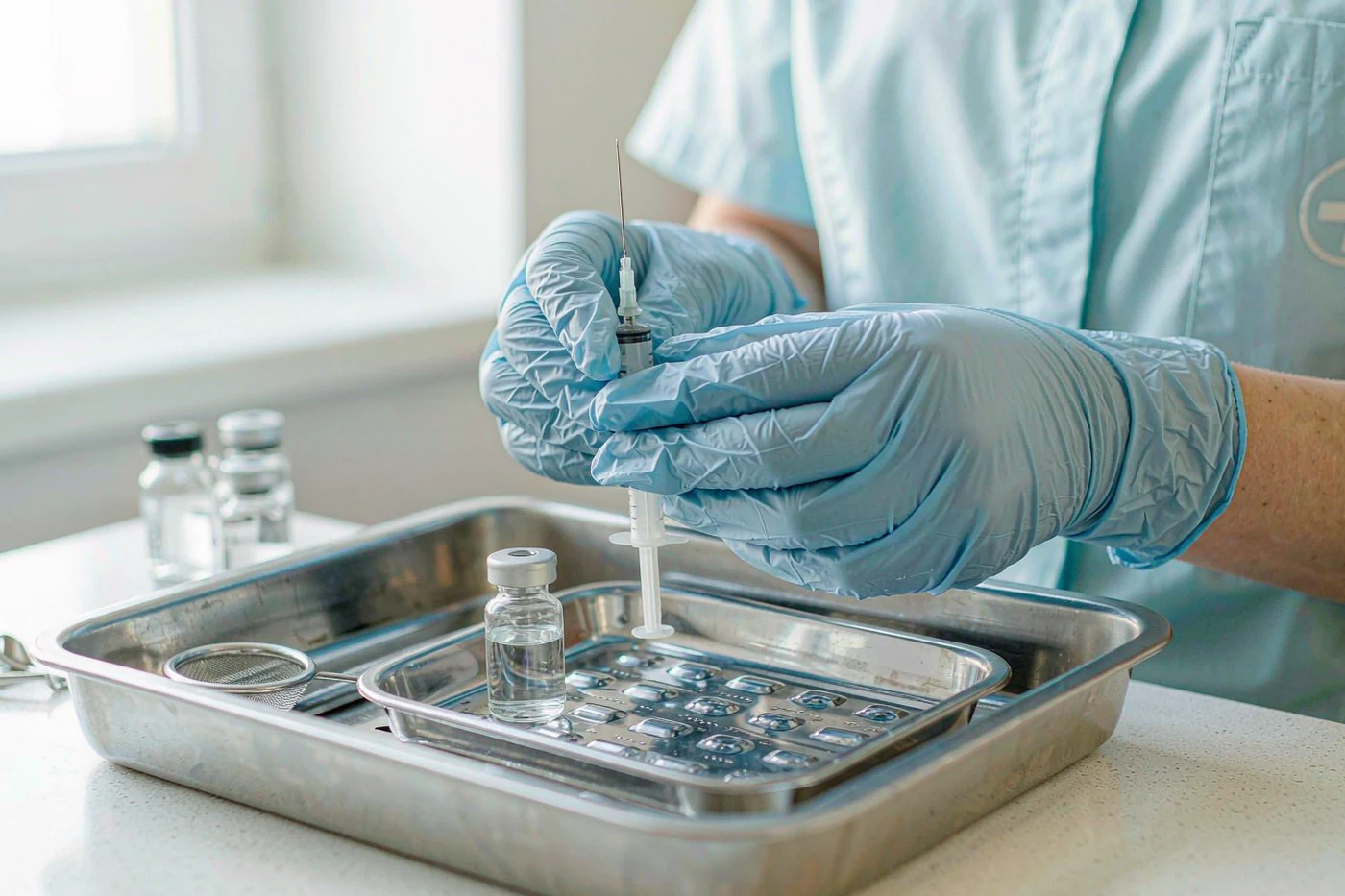
Beijing has modern, well-staffed medical facilities, and getting a vaccine here — whether a routine flu shot or urgent rabies post-exposure treatment after a stray-dog scratch — is straightforward if you know where to go. This guide covers the three scenarios first-time visitors most often face: seasonal flu shots, rabies post-exposure prophylaxis (PEP), and international travel clinics that can handle routine and travel vaccines. Bring your passport to every appointment; it is required for registration at all facilities that accept foreign patients [verify before travel]. Costs are given in Chinese yuan (CNY) with approximate US dollar equivalents; prices change and insurance coverage varies, so confirm current fees when you book [verify before travel].
Before You Go: What to Know
Vaccines in China are dispensed differently than in many Western countries. Some vaccines commonly combined abroad (like MMR) may be given as separate components, and brands available may differ from those at home. Two practical points matter most for visitors:
Carry your passport — Registration at hospitals and clinics requires a passport. If you have travel insurance, ask the clinic for an itemized English or bilingual receipt (fapiao) for reimbursement [verify before travel].
Payment is mostly mobile — Many facilities prefer WeChat Pay or Alipay. Link an international card to Alipay or WeChat Pay before your visit; some hospital cashiers also accept foreign cards, but confirm on arrival [verify before travel].
Rabies is taken seriously — Any bite or scratch that breaks the skin from a mammal (dog, cat, bat, monkey) should be treated as urgent. China has rabies in the animal population, and post-exposure care is widely available, including at night.
Save records — Ask for your vaccination record card (often bilingual) and keep a photo of it — you may need it for boosters at home or for onward travel [verify before travel].
Flu Shots in Beijing
Seasonal influenza vaccines are widely available in Beijing, typically from September or October through winter. Adults usually receive a quadrivalent inactivated vaccine; some private clinics offer imported brands. Expect roughly CNY 50–250 (about US$7–35) depending on the facility and vaccine origin [verify before travel]. Public community health centers (社区服务中心) are the cheapest route but often have limited English support; international departments of major hospitals and private clinics are pricier but English-friendly. Booking is usually done through a clinic's WeChat mini-program or by phone — front desks at foreigner-oriented hotels can often help you place the call [verify before travel].
Best timing — Get the shot in autumn (September–November) so protection covers the peak winter season. It takes about two weeks to take effect.
Who should not wait — Adults over 60, young children, pregnant travelers and anyone with chronic conditions should prioritize the flu shot; consult a doctor if you feel unwell on the day.
Peking Union Medical College Hospital (PUMCH) — International Medical Services
China's most famous hospital, with an international medical services department accustomed to foreign patients and English-speaking staff. Suitable for travel consultations, routine vaccines and non-urgent care. Book the international clinic in advance rather than walking in [verify before travel].
Metro
Nearest to Dengshikou or Dongdan area on Line 5 — confirm current line and station name before travel
Opening hours
International clinic typically weekday mornings and afternoons; confirm exact session times [verify before travel]
Tickets
Consultation fees roughly CNY 300–600 (US$40–85) at international departments; vaccines extra [verify before travel]
How long
Allow half a day including registration and waiting
Beijing Friendship Hospital — Tropical Medicine & Rabies Clinic
Known for its tropical and travel medicine expertise, Beijing Friendship Hospital is frequently recommended for rabies post-exposure treatment and pre-travel vaccinations. It has a dedicated rabies exposure clinic (犬伤门诊 / 狂犬病暴露预防处置门诊) that handles wound cleaning, vaccine series and, when indicated, rabies immunoglobulin [verify before travel].
Metro
Near Caihuying area in the south of the city — confirm current line and station name [verify before travel]
Opening hours
Rabies exposure clinics are generally open daily, including evenings and weekends; confirm 24-hour availability for your location [verify before travel]
Tickets
Full PEP course often totals roughly CNY 1,000–2,500 (US$140–350) with immunoglobulin, depending on weight and regimen [verify before travel]
How long
First visit 1–2 hours; the vaccine series requires return visits on a set schedule (typically days 0, 3, 7, 14 and sometimes 28)
Beijing United Family Hospital (Beijing United Family Hospital)
A private, foreigner-oriented hospital with fully English-speaking staff, international vaccine stock and straightforward billing for travel insurance. It is the easiest option if language is a concern, but it is the most expensive route — expect several times the price of a public hospital [verify before travel]. Other private options include Oasis International Hospital and Raffles Medical; compare prices and availability.
Metro
Jiangtai area, Chaoyang District — confirm current line and station name [verify before travel]
Opening hours
Open daily including weekends; 24-hour emergency department [verify before travel]
Tickets
Consultation commonly CNY 800–1,500 (US$110–210) plus vaccine costs; insurance direct-billing available with many providers [verify before travel]
How long
Allow 1–2 hours; appointments usually required [verify before travel]
Rabies Post-Exposure: What to Do After a Bite or Scratch
If a dog, cat, bat or monkey bites or scratches you, act immediately — rabies is virtually 100% fatal once symptoms appear, but reliably preventable if treated promptly. Do not wait to see if you feel ill.
Step 1 — Wash — Rinse the wound under running water with soap for at least 15 minutes, then apply iodine or alcohol antiseptic. This alone significantly reduces risk.
Step 2 — Go to a clinic the same day — Go to a rabies exposure clinic (犬伤门诊). Major public hospitals and many district hospitals run them, often 24 hours [verify before travel]. Search maps for 狂犬病暴露预防处置门诊 or ask your hotel front desk to call one.
Step 3 — Complete the full series — You will receive a vaccine schedule (typically days 0, 3, 7, 14 and sometimes 28). Category III wounds (deep punctures, bleeding) may also need rabies immunoglobulin injected around the wound. If your trip ends before the series finishes, clinics can coordinate continuation abroad — plan return visits before you leave Beijing [verify before travel].
Already vaccinated before? — If you have documented prior pre-exposure rabies vaccination, you need only two booster doses (days 0 and 3) and no immunoglobulin — bring your records.
Travel Clinics and Pre-Travel Vaccines
If you are staying in China for several weeks or heading onward to rural areas, consider updating routine immunizations (tetanus, measles, hepatitis A/B, typhoid, Japanese encephalitis for extended rural travel). The tropical medicine departments at Beijing Friendship Hospital and the international departments of PUMCH and United Family can advise on a China- and Asia-appropriate schedule. Bring any existing vaccination records translated into English if possible. Book at least a few days ahead; some travel vaccines require multiple doses or advance ordering [verify before travel].
Commonly recommended for China — Hepatitis A, typhoid and routine boosters (tetanus, measles) are the usual asks; Japanese encephalitis for long rural stays; rabies pre-exposure for cyclists, hikers and animal volunteers.
Timing — Ideally get travel vaccines 2–4 weeks before departure; some multi-dose courses take longer [verify before travel].
Practical Tips for a Smooth Visit
Use a translation app — Google Translate or WeChat's built-in translation works well for signage and forms at public hospitals; staff at international departments speak English.
Ask for a bilingual receipt — Request a fapiao (official invoice) and itemized record for insurance reimbursement; most facilities can issue one, but ask before paying [verify before travel].
Go early for walk-ins — Public hospitals register in the morning and queues build fast; arrive before 8:00 or book online in advance [verify before travel].
Emergency numbers — Call 120 for an ambulance in Beijing. For bites with heavy bleeding, go straight to a hospital emergency department rather than a vaccine clinic [verify before travel].
Pharmacies are not enough — Rabies vaccine and immunoglobulin are injection-only and administered at clinics — pharmacies cannot provide PEP.