Explore Beijing / Dealing with Aggressive Street Vendors in China: A First-Timer's Guide
Dealing with Aggressive Street Vendors in China: A First-Timer's Guide
Most vendors in China are harmless, but a few hotspots use pushy tactics aimed at tourists. Here's how to spot them, deflect them politely, and walk away with your wallet intact.
6 min read · KOULING's Beijing Travel Guide
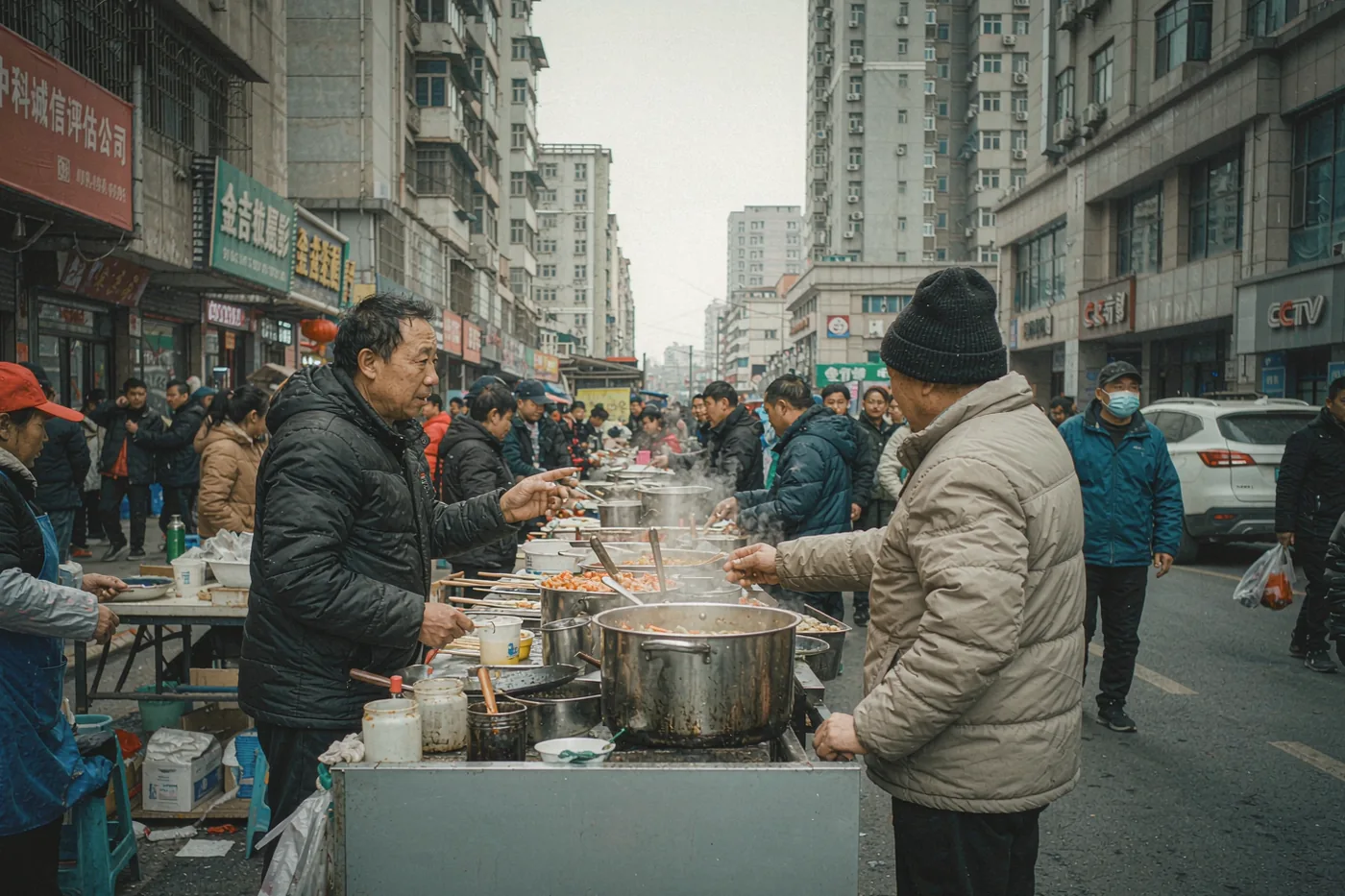
The vast majority of street vendors in China are simply hardworking people selling snacks, fruit, and souvenirs — most interactions are friendly and trouble-free. That said, a handful of well-known scams and high-pressure tactics target tourists around major sights, especially in Beijing's tourist corridors. Knowing what to look for and how to say 'no' firmly but politely will save you money and stress. This guide covers the common scenarios, the exact phrases to use, and where to stay alert.
Know the Common Scenarios
A few patterns repeat around tourist areas. None of them are dangerous if you keep your wits about you — they rely on social pressure, not force. The most reported ones include:
The tea house invitation — A friendly English-speaking stranger invites you to a traditional tea ceremony; the bill comes to several hundred yuan (roughly USD 70–140 or more) [verify before travel]. Politely decline invitations from strangers you've just met.
Photo or costume fees — You're invited to pose with animals, costumes, or props, then charged an inflated 'fee'. Always agree on a price first — or simply keep walking.
The art student sketch — Near galleries like Beijing's 798 area, a 'student' offers a free sketch or invites you to a studio showing, then pressures you to buy overpriced art. A free sketch is rarely free.
Aggressive 'practice English' vendors — Some vendors open with conversation practice to draw you into a shop or stall. It's usually harmless, but exit the same way you would at home if it turns into a sales pitch.
How to Say No — Firmly and Politely
Chinese street selling culture is persistent by nature; haggling and repeated invitations are normal, not hostility. The key is to be unambiguous without being rude. Say 'bú yào, xièxie' (boo-yow, shyeh-shyeh) — 'No, thank you' — with a slight wave of the hand, keep walking, and don't break stride. Avoid polite Western habits like a hesitant 'maybe later' or accepting a free sample, which vendors read as a negotiation. If someone grabs your arm or follows you, repeat 'bú yào' more firmly, keep moving toward other people, and step into a shop, hotel, or metro station if needed. Physical persistence is rare, but heading toward crowds or staffed businesses ends almost every encounter.
bú yào, xièxie (不要,谢谢) — 'No, thank you' — your single most useful phrase. Say it once, clearly, and keep walking.
wǒ bú mǎi (我不买) — 'I'm not buying' — firmer, for someone who won't take a hint.
duìbuqǐ (对不起) — 'Sorry' — softens a refusal without reopening the conversation.
Body language matters — A hand raised slightly with a smile, eyes forward, and steady walking communicates 'no' instantly, even with zero Chinese.
Money, Prices, and Staying Calm
Most vendor trouble ends in an overcharge of a few yuan, not a confrontation — so keep perspective. Carry small cash notes (a few 1–10 CNY notes, roughly USD 0.15–1.40 each) [verify before travel] so you can pay exactly what was agreed, and confirm prices before accepting anything, including street food skewers or fruit. Mobile payment (Alipay or WeChat Pay with a linked foreign card) works at most stalls now [verify before travel], and it leaves a record if a dispute arises. If you're quoted a wildly inflated price at a market, bargaining is expected — start around 30–50% of the asking price at tourist markets and settle where you're both comfortable. If a vendor refuses to let you leave over payment, pay the reasonable amount if it's small, then walk away; escalate to the police (dial 110) only for genuine extortion. Travel insurance contacts and your hotel's front desk are good backup resources for disputes you can't resolve.
Agree the price first — Before eating, posing, or holding anything, point and ask 'duōshao qián?' (how much?). Clarity upfront prevents 90% of disputes.
Small notes only — Avoid paying with large bills (100 CNY / ~USD 14) at street stalls where change disputes can occur [verify before travel].
Police: 110 — For genuine extortion or threats, dial 110. In tourist areas, some officers speak basic English; your hotel can also help translate.
Wangfujing Snack Street area
A famous pedestrian shopping and snack district minutes from the Forbidden City. It's busy, mainstream, and generally safe, but expect persistent souvenir sellers and long-standing reports of overpriced stalls — compare prices, confirm before you bite, and skip anything without a listed price.
Metro
Line 1 or 8 to Wangfujing Station, Exit C or nearby exits — confirm current exit and line before travel [verify before travel]
Opening hours
Area open all day; snack stalls mostly late morning to late evening [verify before travel]
Tickets
Free to wander; individual snacks typically CNY 10–40 (about USD 1.50–6) [verify before travel]
How long
1–2 hours
Nanluoguxiang hutong
A lively historic alley popular with young Beijingers, lined with cafés, snacks, and souvenir stalls. Vendors here are more lively than aggressive, but it's a classic spot for the 'free sketch' and souvenir upsell — browse with a smile and decline with 'bú yào, xièxie'.
Metro
Line 6 or 8 to Nanluoguxiang Station — confirm current exits [verify before travel]
Opening hours
Alley accessible anytime; shops typically 10:00–22:00 [verify before travel]
Tickets
Free entry; snacks and souvenirs usually CNY 10–60 (about USD 1.50–8.50) [verify before travel]
How long
1–3 hours
Panjiayuan Antique Market
Beijing's best-known flea market for curios, jade, and Mao-era memorabilia. This is haggling territory by design — expect enthusiastic sellers, opening prices well above fair value, and occasionally physical eagerness to show you goods. Bargain cheerfully, start low, and be ready to walk away; 'no deal' is always a valid outcome.
Metro
Line 10 to Panjiayuan Station — confirm current exit and walking route [verify before travel]
Opening hours
Roughly 08:30–18:00, busiest on weekends; hours vary by stall [verify before travel]
Tickets
Free entry; small items from CNY 20 (about USD 3), antiques far more — bargain hard [verify before travel]
How long
2–3 hours
Related Beijing guides
If you found this useful, these cover the next question most visitors ask:
Learn two phrases — bú yào, xièxie (no, thank you) and duōshao qián (how much) cover almost every street encounter.
Don't accept 'free' anything — Free samples, free sketches, free tea — decline politely unless you intend to pay.
Never leave valuables in a stranger's hands — Keep your phone and bag secured while bargaining or posing for photos.
Walking away is your superpower — There is always another stall, street, or meal. Sellers know this; act like you do too.
Save your hotel's Chinese address — Show it to any driver or officer if you get turned around — or ask your hotel concierge to write key phrases on a card.
Escalation is rare — Real trouble is uncommon. If it happens, move toward crowds, dial 110, and contact your hotel.