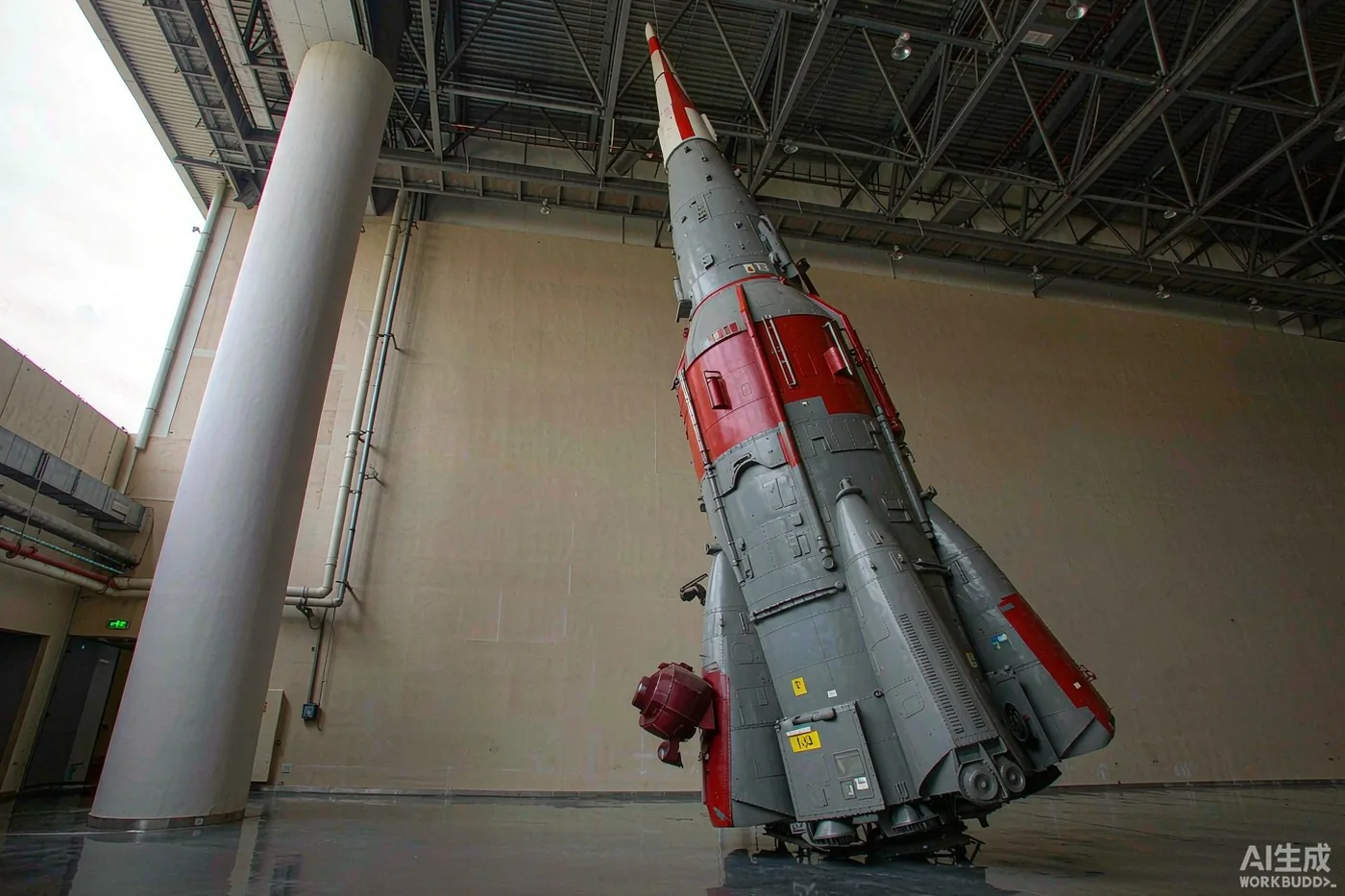
Donggaodi is where China builds its launch vehicles. The China Space Museum sits about 2 km from KOULING Donggaodi — and almost no overseas visitor finds it.
Almost no overseas visitor to Beijing has heard of Donggaodi. Locals know it as the district built around China's main launch-vehicle research academy — the place behind the Long March rockets. The China Space Museum sits in that district, roughly 2 km from KOULING Donggaodi, and for anyone interested in spaceflight it is one of the most rewarding and least crowded museums in the city.
Donggaodi grew up around the China Academy of Launch Vehicle Technology, the country's principal designer of carrier rockets. Whole neighbourhoods here — research institutes, housing, schools — were built to serve it, which is why the area carries the feel of a planned company town rather than a tourist district. The museum is the public face of that history.
The museum covers China's space programme from its earliest rockets through to crewed spaceflight, with launch vehicles, satellites, re-entry capsules, engines and spacesuits on display. It is a working-industry museum rather than a polished tourist attraction, which is part of its appeal: the halls are quiet and the hardware is real. An admission and opening-hours policy has changed over time, so confirm before making a special trip.
Admission has historically been free or a nominal sum, but the museum requires real-name registration, and foreign passports are handled differently from Chinese ID cards. Bring your passport: the ticket desk or the WeChat-based reservation system may need the document number, and foreign visitors are usually processed manually at the counter rather than through the QR-code gates. Expect airport-style security at the entrance — bags go through an X-ray machine, and this is a working aerospace district, so security staff can be stricter than at ordinary Beijing museums. Opening hours typically run Tuesday to Sunday, roughly 9:00 to 16:30 with last entry earlier, but the schedule shifts around official events, and the museum occasionally closes at short notice for inspections. Check the latest status the day you go, either by phone or by searching the museum's WeChat account. If the gate is closed, the fallback is the aerospace-themed murals and hardware visible around the neighbourhood, plus the walk along the canal towards Wufutang.
This is the question visitors get wrong most often. Inside the museum, photography of the general exhibition halls — retired boosters, engine cutaways, the Shenzhou capsule and scale models — has generally been permitted without flash, and the low, cavernous halls actually favour handheld shooting. However, this sits next to an active research and manufacturing complex. Signs restricting photography apply to anything beyond the exhibition floor, and staff may ask you to put the camera away near windows, doorways or anything with a view of the surrounding compound. Treat a warning as final rather than negotiable. Outside, the neighbourhood itself is fair game in the ordinary street-photography sense: murals, rocket-shaped sculpture, workers' canteens and the slightly time-capsule feel of the 1980s housing blocks all make good subjects. The best light for the canal-side walk is late afternoon. If you want interior shots, go early on a weekday when you may have the halls to yourself; weekends bring local families and school groups who fill the narrow spaces between the boosters.
If you found this useful, these cover the next question most visitors ask: