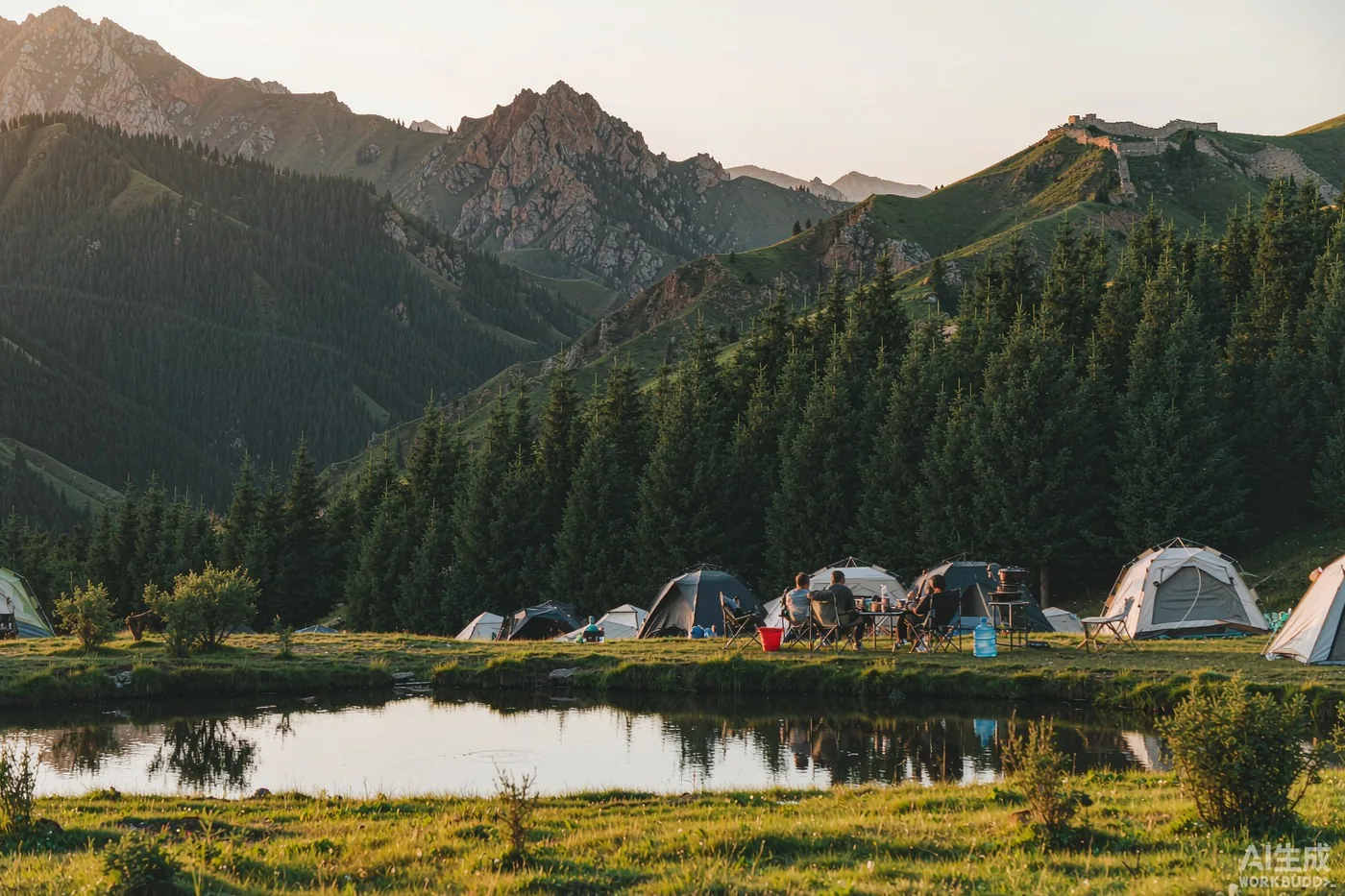
Yes, you can camp near Beijing — but only in designated areas. Here's how the rules work, where to go, and what to pack.
Beijing is one of the few world capitals where you can genuinely escape into mountains within an hour or two of downtown — and camping has exploded in popularity here since 2020. But there's a catch that surprises many Western visitors: China generally does not have a tradition of free, open-access camping. Pitching a tent in a random forest park or on a lakeshore can get you moved along by rangers or security, even if it seems harmless. The good news is that Beijing now has a growing network of designated, legal campsites — from serviced glamping grounds with bathrooms and BBQ pits to simple grassy zones inside city parks where tents are explicitly allowed. This guide explains how the rules work, where to go, what things cost, and what to check before you go, because campsite policies, prices, and booking requirements change frequently.
Chinese parks and scenic areas manage camping through posted rules rather than a universal law, so the key question at any site is always: is tent camping explicitly permitted here? Some city parks allow tents during daytime hours but ban overnight stays. Suburban scenic areas may require advance reservation, an entry ticket, or a separate camping fee. Fire rules are strictly enforced — open fires and charcoal BBQs are banned at many sites, though designated campgrounds often rent raised BBQ grills or provide cooking zones. Leave-no-trace norms are increasingly expected, and some sites charge a small cleanup deposit. A few practical rules of thumb: never camp on farmland or near reservoirs used for drinking water; don't assume that a spot being quiet means it's legal; and always carry your passport, since parks and train stations occasionally check ID. [verify before travel]
Most first-timers should choose between two realistic options. Serviced campgrounds (营地, yíngdì) are private or resort-run sites in the hills north and west of the city — think Miyun, Huairou, and Yanqing districts. They offer pre-pitched tents or sites you can pitch on, toilets, sometimes hot showers, BBQ rentals, and staff. Expect to pay roughly ¥100–400 ($14–56) per person for a standard pitch, considerably more for glamping tents with beds, which can run ¥600–1,500 ($85–210) per night. The second style is simpler: designated tent zones in large parks, such as areas of the Olympic Forest Park or riverside greenways, where families bring tents for the day. These are free or covered by a small park entry fee, but they are daytime-only — you pack up and go home. [verify before travel] For a genuine overnight under the stars without breaking rules, a serviced campground is the safest bet for a foreign visitor.
The easiest 'camping' experience in Beijing requires no car at all. Olympic Forest Park, north of the Bird's Nest, is one of the city's largest green spaces and has long been popular with families pitching tents on its lawns. It's a lawn-picnic-and-hammock kind of day, not an overnight trip — staff generally ask everyone to leave at closing time. Bring a picnic blanket, a small day tent for shade, and whatever you can carry on the metro. Weekends in spring are busy; weekdays are peaceful.
Northeast of the city, Miyun district is Beijing's classic getaway for water views and hills, and it hosts several serviced campgrounds and glamping resorts. Note that the reservoir itself is a protected drinking-water source, so lakeside access is restricted — camp only inside official campgrounds, never on the shoreline. Sites here range from basic pitches to luxury safari-style tents with real beds and en-suite bathrooms. Most require booking via WeChat or Dianping, and many are easier to reach with a hired car or didi (ride-hailing) than by public transport.
Northwest of Beijing, Yanqing district combines cooler summer air, mountain scenery, and proximity to Great Wall sections. Several campgrounds and farm-stay camping operations operate around Longqingxia Gorge and the Badaling area, and the district hosted winter Olympic events, so its infrastructure — including the Beijing–Zhangjiakou high-speed rail line with a Yanqing stop — is better than most expect. Rules here are similar: book in advance, camp only within site boundaries, and expect fire restrictions, especially in dry seasons.
If you found this useful, these cover the next question most visitors ask: