Beijing by season — when the weather is best, when the crowds are worst, and the Golden Weeks you should plan around.
Beijing has four clear seasons, and the difference between a good trip and a crowded one often comes down to timing. The city is at its best in spring and autumn, hot and humid in midsummer, and cold but empty in winter. This guide explains what each season is really like, which weeks to avoid at all costs, and how to pack.
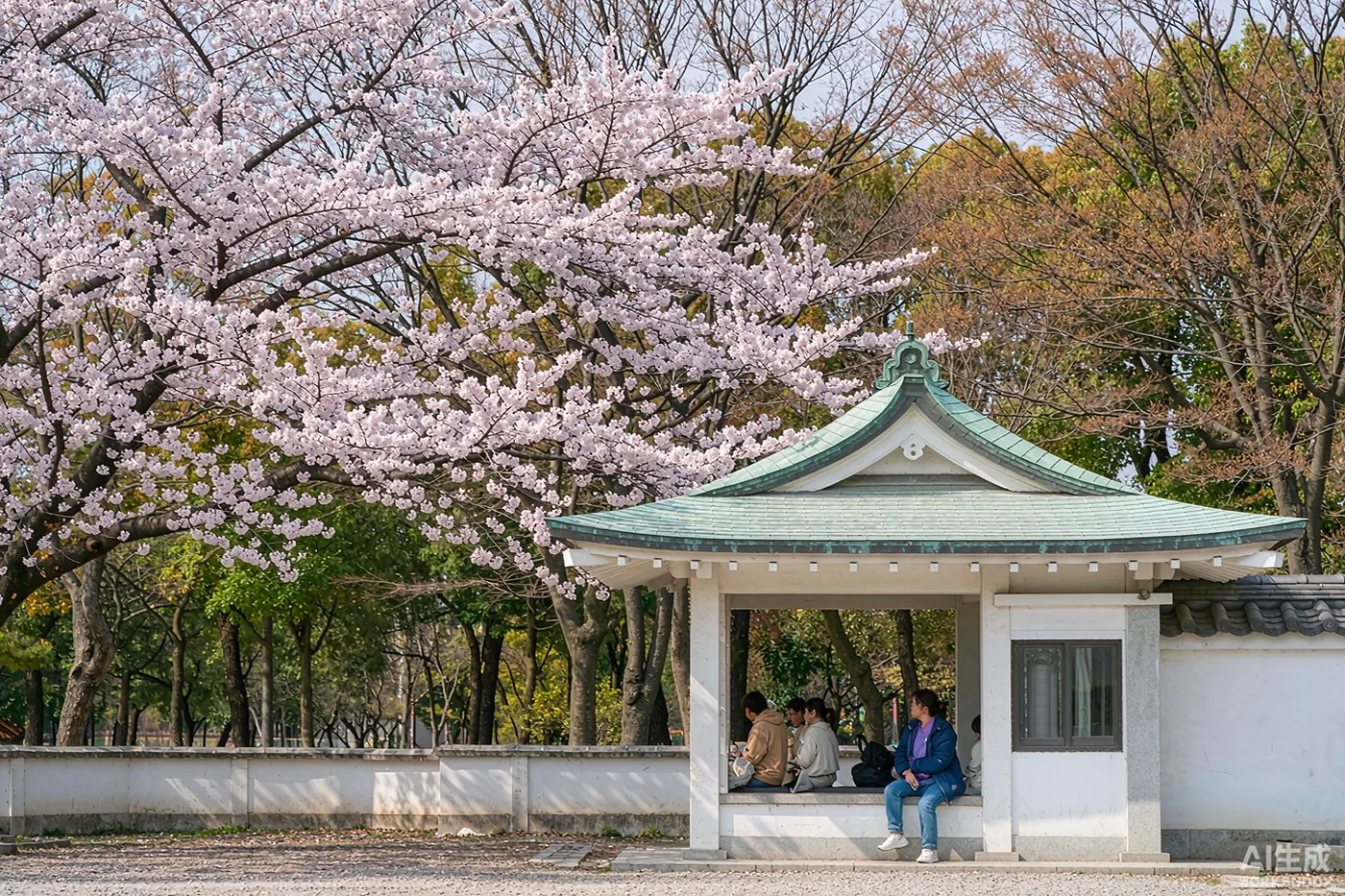
Late April to May and September to mid-October are the consensus sweet spots. Days are mild (roughly 15–25°C / 60–77°F), the sky is clearer, and fresh leaves or autumn colour make the temples and parks photogenic. Hotel and flight prices are normal, and major sights are busy but manageable. If you can choose your dates, aim for these windows.
June to August is hot and sticky, with July and August bringing the heaviest rain. Daytime highs often pass 30°C / 86°F and thunderstorms are common. It is also school-holiday season, so the Great Wall and the Forbidden City are at their most packed. The upside: long daylight and some of the lowest hotel rates outside the holidays. Carry water, sun protection and a small umbrella.
November to February is cold and very dry, with daytime highs around 0–5°C / 32–41°F and nights below freezing. Snow is possible. But this is the quietest, cheapest time to visit: short queues, empty hutongs, and the Great Wall dusted with snow is unforgettable. Spring Festival (late January or February) is a special case — see below.
China has two week-long national holidays that turn every famous sight into a human tide: National Day (October 1–7) and Labour Day / May Day (May 1–5). Avoid travelling to Beijing during these if you can — trains sell out, hotels spike, and the Forbidden City runs at capacity. Spring Festival (Chinese New Year, date varies in late January or February) is also hectic for transport, though many small shops and some restaurants close for several days.
Air quality varies by season — generally best after rain and in autumn, worse on still winter days when heating is on. Check a live AQI app on arrival; sensitive travellers may want masks on bad days. Pack layers year-round: a warm coat for winter, light breathable clothes plus rain gear for summer, and comfortable walking shoes regardless of season.
If you found this useful, these cover the next question most visitors ask:
Even in peak season, when you visit within the day changes everything. The Forbidden City, Summer Palace and Temple of Heaven are quietest in the first 60–90 minutes after opening (8:30 at the Forbidden City); by 10:30 tour groups arrive en masse and stay until mid-afternoon. Weekdays are noticeably calmer than weekends year-round — a Tuesday in July can feel emptier than a Saturday in October. Monday is not a safe bet: many museums, including the Forbidden City, close on Mondays, so check opening days before building an itinerary around them. If you are stuck visiting a headline sight at a busy hour, go backwards — enter at the north gate of the Summer Palace or the east side of the Temple of Heaven park, where most visitors are thinner, and work against the flow.