Dates, venues and metro access for the China Open and Beijing Marathon, how Chinese real-name ticketing works with a passport, what marathon entry actually requires, and how event days shut the city's roads.
Beijing's sports calendar has two events that a visitor can realistically build a trip around: the China Open, where you can buy a ticket and watch the best tennis players in the world, and the Beijing Marathon, which is far harder to enter than people expect. Add football and basketball in winter and you have a full year. This guide covers the dates and venues, how Chinese real-name ticketing actually works, what the marathon entry really requires, and the transport disruption that comes with any big event day.
The China Open is the one date on the calendar where a visitor can buy a ticket and watch the top of the sport without weeks of planning. The 2026 edition runs from 28 September to 11 October at the National Tennis Center in Chaoyang, combining a WTA 1000 event with an ATP 500 event plus ITF junior and masters draws. Take metro Line 8 to Lincuiqiao station and leave by exit C2 — the West Gate 1 entrance is about 50 metres away — and note that Line 8 extends its service on match days, so a night session will not strand you. Gates generally open no earlier than 09:30, and the security queue peaks in the half hour before play, so arriving early is the whole trick. The men's final falls around 6 October and the women's final around 11 October.
Chinese event ticketing is real-name, and that surprises visitors. One ticket is bound to one identity document, and passports are accepted alongside Chinese ID cards. You must complete the binding — the holder's real name, document type, document number and a phone number — before 23:00 on the day before the session; after that the binding closes and the ticket cannot be used. Orders are capped at six tickets, one document holds only one ticket per venue per session per day, and once sold the seat is locked: no exchanging, transferring or gifting. Refunds requested early are usually free, later ones carry a fee of roughly 20 per cent. Buy through the official platform rather than from a reseller or anyone at the gate.
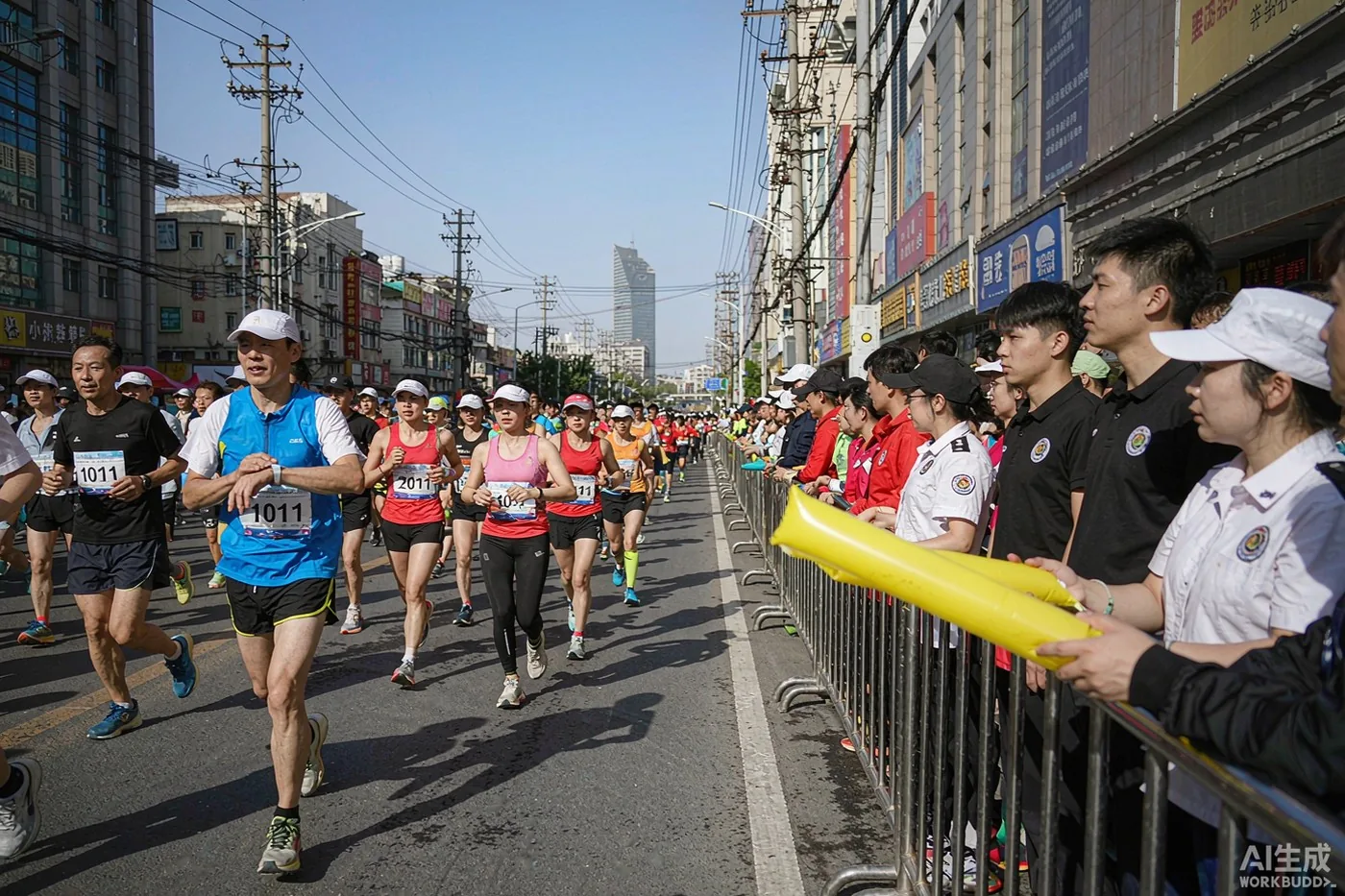
The Beijing Marathon is a World Athletics gold label race and one of the oldest in the country, first run in 1981. In 2026 it falls on 18 October, starting at 07:30 from the east side of Tiananmen Square and finishing on the central landscape avenue in the Olympic Park — 42.195 km, marathon only, no half or fun run, with a field of 32,000. Entry is not a simple purchase. Registration opened in mid-September and ran for less than a week, oversubscription is decided by lottery, and the fee is 200 yuan. The eligibility filter is what catches people out: you must be at least 20 in the race year and hold an official result from one marathon or two half marathons within the 24 months before the entry deadline. Virtual races, app screenshots and training runs do not count. Entrants aged 65 or over must submit a commitment letter signed by themselves and a family member. Registration runs through the official website and partner apps, and team entries are not accepted.
Beijing Guo'an play football at the Workers' Stadium, and Beijing Shougang play CBA basketball at the Wukesong arena in the west of the city — both straightforward by metro. Football is the louder and better-value night out; basketball is cheaper and easier to get a seat for. Tickets follow the same real-name rules as any other event, passports included, so the same binding applies. The atmosphere at a Beijing home game is genuinely good once you have picked up one chant. Check the fixture list before you book flights: both seasons run through the winter and the schedule moves.
Big events reshape the city. On marathon morning the route from Tiananmen Square out through the west and north closes progressively, several stations restrict entry or close exits, and crossing the city by road is effectively impossible until mid-morning — walk to a station that is not on the route, or stay near the start or the finish. For the tennis, the reason to use Line 8 rather than a car is that parking around the venue is limited and the metro runs late. On any event day, add 30 to 40 minutes and expect a security queue.
Tennis has the strictest conventions: move only at changeovers, never during a point, and photography without flash is usually tolerated while video is not. Football and basketball crowds are informal and welcoming, and arriving 45 minutes early gets you through security and into your seat without stress. Bring your passport to every event — it is your ticket identity. Large backpacks are commonly refused and outside drinks are usually not allowed in. Re-entry policies differ by venue, so assume one entry only. If you are running rather than watching, bring your own gels and race belt: packet pickup and the expo are Chinese-language heavy and require your ID and the signed commitment letter.