The three ways to get purchases home, the items China will not let you post, how the 1,000-yuan limit and 50-yuan duty threshold work, and what to declare when you fly out.
Beijing has a habit of making you buy more than you planned — tea, silk, a snowboard, a calligraphy set, three pairs of custom shoes. The good news is that China's parcel network is fast and cheap. The bad news is that customs rules are strict, and a parcel with a lazy declaration (gifts, daily goods) is the single most common reason things get stuck, taxed or sent back. This guide covers the three ways to get things home, what you legally cannot post, how the 1,000-yuan personal limit and the 50-yuan duty threshold actually work, and what you must declare when you fly out.
Pick by weight and urgency. Carry-on works up to your airline allowance and is the only sensible option for fragile or high-value items. Door-to-door couriers such as SF International, DHL, FedEx and UPS are fastest, fully tracked and handle customs for you, but cost several times more than the post office. China Post EMS international parcels are the cheap option — slow, usually one to three weeks by air and longer by surface — but perfectly fine for tea, books, clothes and souvenirs you do not need immediately. Above roughly 20 kg, or for ski gear, look at an unaccompanied-baggage service: it ships as personal effects and is usually cheaper per kilo than excess-baggage fees at the airport.
Some items are refused by every channel with no workaround. Weapons, replica firearms and controlled knives. Flammables: petrol, alcohol above about 70 percent, lighters, matches, aerosol cans and loose lithium batteries — power banks are banned from passenger aircraft outright. Poisons, radioactive material and strong corrosives. Biological material, human tissue, live animals and plants. Counterfeit branded goods and pirate media — the fake-designer bag from the market is exactly what gets seized and destroyed. Cash, coins, bullion and bearer securities. Endangered-species products such as ivory, rhino horn and pangolin, plus antiques without an export permit. Everything on this list is confiscated rather than returned, and serious cases go well beyond a lost parcel.
A second group is not banned but needs the right channel and honest paperwork. Devices with built-in lithium batteries — phones, headphones, cameras — generally travel on a battery-approved service, packed with the charge reduced and under 100 Wh per battery. Liquids and creams, powders, packaged food, medicines and tobacco usually need a specialist line plus a clear contents or ingredient list. Meat, dairy, seeds, soil and fresh produce are refused by most destination countries regardless of what China allows out. If an operator offers you a suspiciously cheap rate for anything on this list, assume it will be stopped somewhere along the way.
Personal postal articles leaving China carry a value ceiling of 1,000 yuan per shipment to other countries and regions, and 800 yuan to Hong Kong, Macao and Taiwan; inbound shipments into China carry a 2,000-yuan ceiling. A single indivisible item — one camera, one bag — can still clear as a personal article if customs accepts it as self-use, otherwise it must be re-exported or declared as commercial cargo. On duty: if the assessed tax is 50 yuan or less it is waived entirely; above that you pay it, and it can be settled online through the customs mobile app, WeChat, Alipay or UnionPay, or entrusted to the post office for a fee. Splitting one purchase into many small parcels to dodge the limit is treated as evasion.
Customs assesses your parcel almost entirely from what you write on the form. Give the real product name, quantity and value in one line each: green tea, 500 g, 180 yuan — not gifts or daily necessities. Vague descriptions trigger inspection, and understating value or misdescribing goods can mean back tax, return shipping or worse. If customs wants more information you will be asked to supplement the declaration, normally with a copy of the recipient identification, an item list and proof of purchase, submitted through the EMS international-mail customs-broker mini-program in WeChat. Keep your receipts until the parcel lands.
Snowboards and skis cannot be carried onto a high-speed train as hand luggage; checked handling costs around 80 yuan per trip, and a door-to-door courier is often cheaper at roughly 40 yuan each way while saving you the carry. Wrap the bag, pad the tips and edges, and tape down anything loose. Insure for the declared value — the standard compensation cap on cheap postal services will not cover a board. The same logic applies to any oversized purchase: compare courier, rail checked baggage and unaccompanied-baggage rates before you commit, and ship a few days earlier than you think you need to.
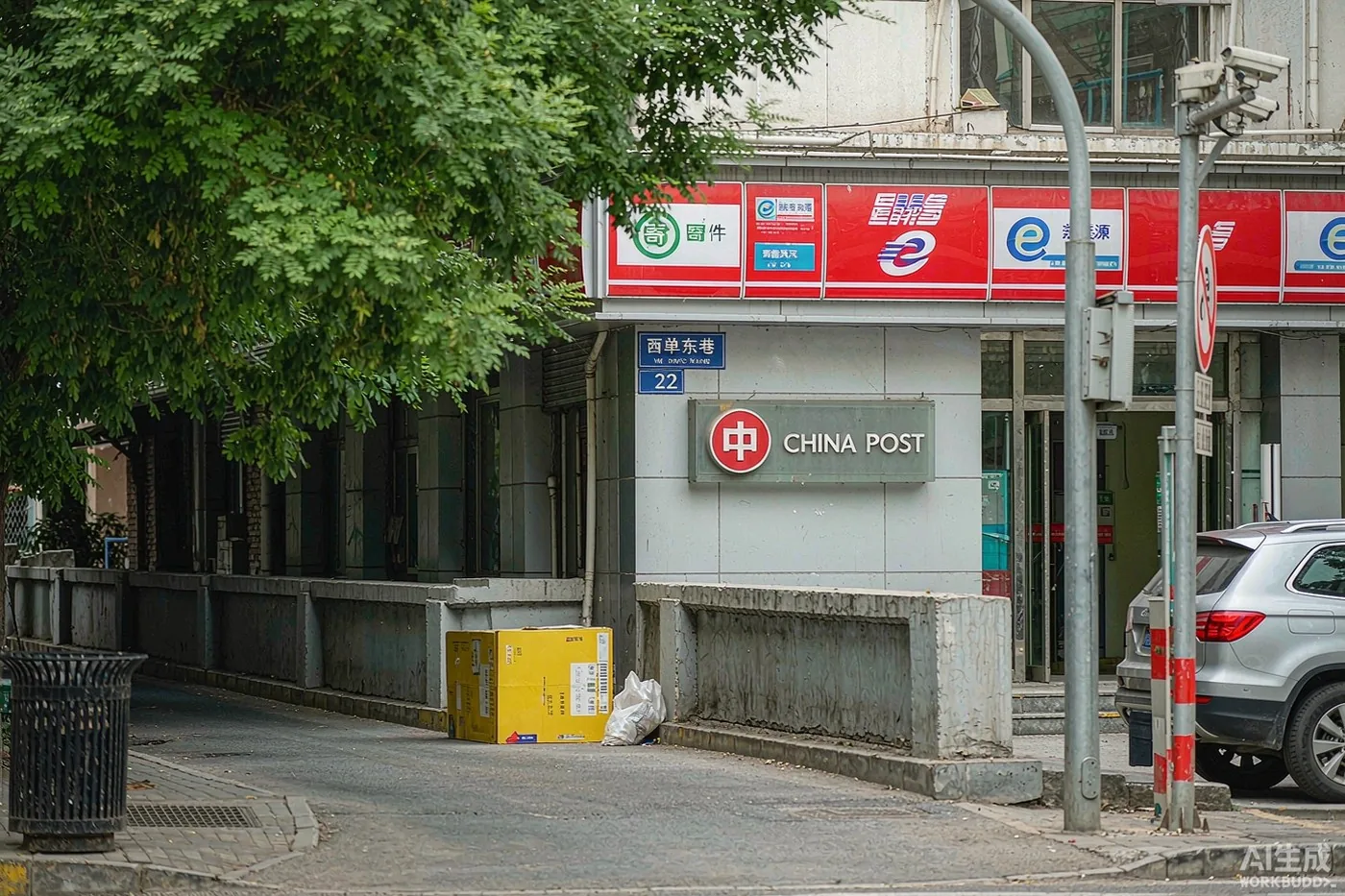
For couriers, book in the relevant mini-program or app — SF Express and JD both do doorstep pickup and show a price before you commit. For China Post, go to an actual post office rather than a corner shop, bring the item unwrapped so staff can inspect it before packing, and bring your passport. Boxes, tape and foam are sold at the counter. Send the tracking number to whoever is receiving it the same day, and check that the first scan appears within 24 hours — a parcel with no first scan is a parcel worth chasing early.
Leaving China, declare anything restricted or dutiable, any antique or cultural relic you are carrying, and cash above the reporting threshold for foreign currency. If you bought something expensive and claimed — or plan to claim — a departure tax refund, keep the item, the receipt and the refund paperwork together and be ready to show it. Undeclared antiques are the one category that genuinely ruins a trip: the object is seized and the paperwork follows you.