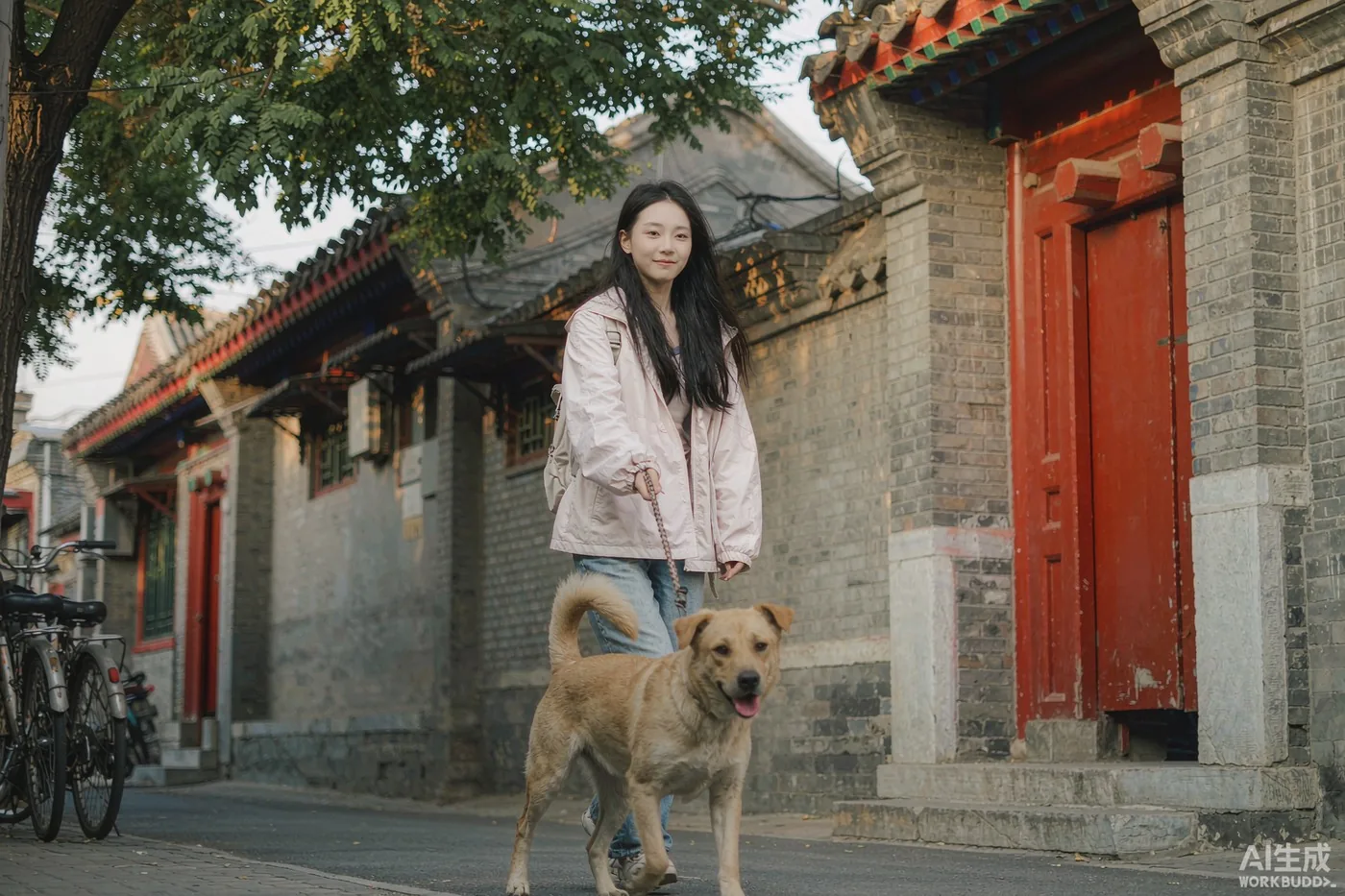
Everything first-time visitors need to know about flying a dog or cat into Beijing, using boarding kennels, and where to walk your pet in the city.
Bringing a dog or cat to Beijing is possible, but it requires more paperwork than most Western travelers expect. China has relaxed its rules in recent years — dogs and cats from approved countries can often enter without a full quarantine stay — but requirements change frequently, and enforcement at the airport can be strict. This guide walks you through the essentials: entry and quarantine rules, boarding and veterinary care, and the realities of dog walking in a city of over 21 million people.
Beijing Capital International Airport (PEK) handles most pet arrivals, and Beijing Daxing (PKX) accepts them as well. Dogs and cats entering from countries where China recognizes effective rabies control may be eligible for exemption from quarantine if they carry a valid animal health certificate, proof of rabies vaccination, and (in many cases) an implanted ISO-standard microchip with rabies antibody test results. Pets arriving without complete documentation may be sent to official quarantine, typically lasting up to 30 days, at the owner's expense — historically around CNY 200–300 (USD 30–40) per day [verify before travel]. Only one pet per traveler is generally allowed per entry, and some airlines restrict the age, breed, and weight of pets they accept. Rules change often, so confirm current requirements with Chinese customs and your airline well before you book flights [verify before travel].
If quarantine or a trip away leaves you needing pet care, Beijing has a growing market of boarding facilities and pet hotels. Expect to pay roughly CNY 100–500 (USD 15–70) per night depending on quality, cage size, and whether your pet gets playtime or private rooms; upscale pet hotels with cameras and daily photo updates sit at the top of that range [verify before travel]. Book well ahead during Chinese public holidays, especially Chinese New Year and the October National Day week, when boarding fills up weeks in advance. International-standard veterinary clinics with English-speaking staff operate in areas popular with expats, such as Chaoyang and Shunyi — useful for everything from a post-flight health check to a lost-rabies-certificate problem. Ask your hotel concierge or a local pet-owning friend for a current referral rather than choosing blind online.
Beijing is workable for dogs but not the casual walk-anywhere city you may be used to. Dogs must be registered with local police and vaccinated against rabies; registration is typically handled where you or your host resides and involves an annual fee that varies by district [verify before travel]. Beijing's rules generally limit households to one dog under a certain height (commonly cited as around 35 cm / 14 inches at the shoulder) in central districts, and leashes are mandatory in public — enforcement has tightened in recent years. Many residential compounds and parks post 'no dogs' signs; larger green spaces and designated areas are more dog-friendly, especially early morning and late evening. Always carry waste bags — fines apply [verify before travel] — and be mindful that not all neighbors are comfortable around dogs, particularly in crowded areas.
One of the most pleasant stretches of walkable waterway in Chaoyang District, the Liangma River promenade is popular with local dog owners, especially in the early morning and after sunset when the banks light up. Wide paths, shade from the willows, and nearby cafes make it a forgiving place for a first walk with your pet in Beijing. Leash up and stay alert to cyclists and crowds.
Beijing's largest urban park, north of the Bird's Nest stadium, offers miles of gently hilly paths and lawns. It is a favorite weekend escape for dog owners from the northern districts, with far more breathing room than the city center. Rules on dogs can vary by zone and season, so watch the signage at each entrance [verify before travel]. It's also a genuinely lovely outing for humans: expect locals flying kites, tai chi groups, and quiet wooded trails.
The Shunyi district, home to many international schools and expat compounds, is Beijing's most dog-friendly area, with wide sidewalks, canal-side paths, and a relaxed attitude toward pets. If you're staying out this way — or boarding your pet nearby — early-evening walks along the Wenyu River greenway are a local institution. Bring water for your dog in summer; the area is exposed and can be dusty.