China's 240-hour visa-free transit lets citizens of the US, UK, Canada, and most EU countries stay up to 10 days per entry. Here's how to structure a Korea–Xi'an–Beijing–Mongolia trip and a Beijing–Thailand double entry.
China's 240-hour visa-free transit policy is one of the best-kept secrets for Western travelers. If you hold a passport from the United States, United Kingdom, Canada, or most EU countries, you can enter China without a visa and stay up to 240 hours — 10 full days — as long as you're traveling to a third country or region. That's enough time to see the Terracotta Warriors in Xi'an AND the Great Wall in Beijing. Even better: the policy applies per entry, so if you leave for Thailand and come back, you can qualify again. Below, we walk through two real route templates, the paperwork you'll face at the border, and the mistakes that get travelers turned away. Note that transit rules are among the most frequently tweaked policies in Chinese travel, so double-check everything with your airline and China's National Immigration Administration before you book [verify before travel].
The 240-hour policy replaces the old 72- and 144-hour schemes and is far more flexible. But 'transit' has a strict definition, and border officers apply it literally. Before designing any route, make sure you can tick every box below [verify before travel].
This is a classic single-entry use of the policy: two iconic cities in one 10-day window, then onward to a genuinely third country (Mongolia). Fly Seoul–Incheon to Xi'an (about 3 hours nonstop, roughly CNY 1,200–2,500 / USD 170–350 return [verify before travel]), spend 4 days seeing the Terracotta Army, the City Wall, and the Muslim Quarter, then take the high-speed train to Beijing (about 4.5–5.5 hours, second class around CNY 500–560 / USD 70–80 [verify before travel]). Use the remaining days for the Great Wall, the Forbidden City, and hutong walks, then fly or train out to Ulaanbaatar. The critical detail: your outbound ticket to Mongolia must be confirmed before you land in Xi'an, and trains from Beijing to Ulaanbaatar run only certain days per week — book far ahead or fly instead [verify before travel].
Because the policy applies per entry, this itinerary uses two separate 240-hour grants. Entry one: Vancouver or Toronto to Beijing, up to 10 days exploring Beijing (and day trips to nearby provinces under the current rules [verify before travel]), then fly to Bangkok or Chiang Mai — Thailand offers visa-free entry to Canadian and most Western passports for up to 60 days [verify before travel]. After a week in Thailand, fly back into a Chinese city — it can even be Beijing again, because your transit destination this time is back to North America. Entry two: another 240 hours, perhaps for Xi'an and Chengdu. Total: over two weeks in China plus Thailand, with zero visas. The risk is that each entry is granted at the officer's discretion; if your second itinerary looks thin, carry hotel bookings and a clear exit ticket [verify before travel].
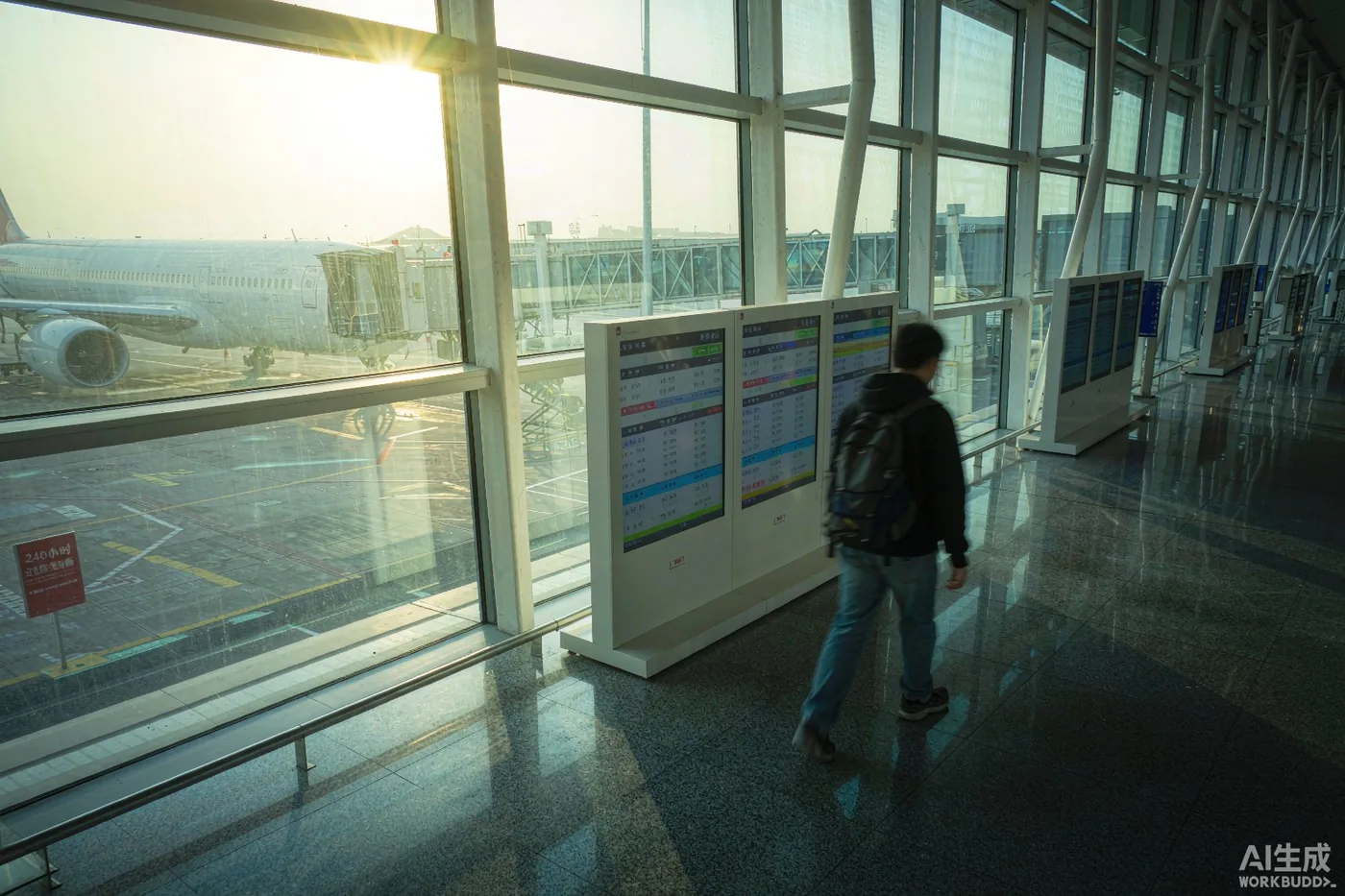
Your first hurdle is at the border control hall. Look for signs reading '240-Hour Visa-Free Transit' (previously 'Temporary Entry'). Fill out the arrival card for transit passengers, show your onward ticket to your third country, and an officer will stamp you in. Allow 30–60 minutes beyond normal immigration queueing, and don't check luggage you need during processing. Direct transit to a connecting same-day international flight is a separate, simpler procedure.
Xi'an is a designated 240-hour port of entry, and flying in here instead of Beijing spreads your two headline sights across two cities. The airport is about 40 km (25 miles) from downtown; the airport intercity rail and taxis (roughly CNY 120–150 / USD 17–21 to the city center [verify before travel]) are the main options. Have your onward ticket to Mongolia or elsewhere ready before you reach the counter.
Leaving China by land counts as exiting for transit purposes, and the Beijing–Ulaanbaatar K23 train is a legendary alternative to flying. But seats are limited, the train departs only on set days each week (historically weekly in each direction [verify before travel]), and tickets sell out months ahead in summer. If your 240-hour window depends on a specific departure date, book through CITS or a licensed agent early — online booking for this cross-border train is limited for foreign passports [verify before travel].
If you found this useful, these cover the next question most visitors ask: